Home / Services / Laser sculpting /
980 & 1470 NM · FACE & BODY · LOCAL ANAESTHETIC · NO INCISION
Laser Lipolysis (Endolaser) in Dubai
Endolaser is a treatment performed from beneath the skin rather than across its surface. A fine optical fibre is introduced through a needle puncture and passed through the fat layer, delivering 1470 nm laser energy directly where it is needed — reducing localised fat and tightening the tissue above it in the same pass.
It sits between the treatments that are too superficial to change a contour and the surgery that changes it at a cost most people do not want to pay. For the right patient, it does something neither can: it removes and tightens at once, through an entry point that needs no stitch.
I have been performing this treatment since 2016.

· Two wavelengths, two jobs
The system I use offers two wavelengths, and they are not interchangeable — each is suited to a different job.
1470 nm does most of the work in this treatment. It sits at a peak of water and fat absorption, so the energy is deposited in a small, controlled volume right at the tip of the fibre. That precision is what makes it efficient in the fat layer, and it is the source of the collagen contraction that tightens the skin above.
980 nm is absorbed less strongly, so it travels further and heats a larger volume more diffusely. That makes it useful where there is more tissue to work through — larger body areas — and it coagulates small vessels as it goes, which helps reduce bleeding and bruising during the procedure.
Having both on one platform means the wavelength is chosen for the area, rather than the area being approached with whatever the machine happens to offer. In practice, most facial work uses 1470 nm; body work may use both.
Is this the same as Endolift?
Endolift® is one Italian manufacturer’s trademarked name for this technique. It is not a category of treatment — it is a brand, in the way that a particular make of car is not the same thing as driving.
The technique itself — a 1470 nm laser delivered beneath the skin through a fine optical fibre — is now performed on several platforms, and it appears in the published literature under generic names such as endolifting and 1470 nm subdermal laser treatment.
I know the branded platform well. I worked with it for most of the years I have been doing this, and moved about three years ago to the Forza system I use now, because its wavelength options and fibre range let me treat both the face and the body on one device.
So when you compare clinics, the question worth asking is not which brand name is on the machine. It is who is holding the fibre, whether they assessed you properly before switching it on, and whether the fullness you want treated is actually fat.
What endolaser can treat
What endolaser can treat.
01
Under the chin
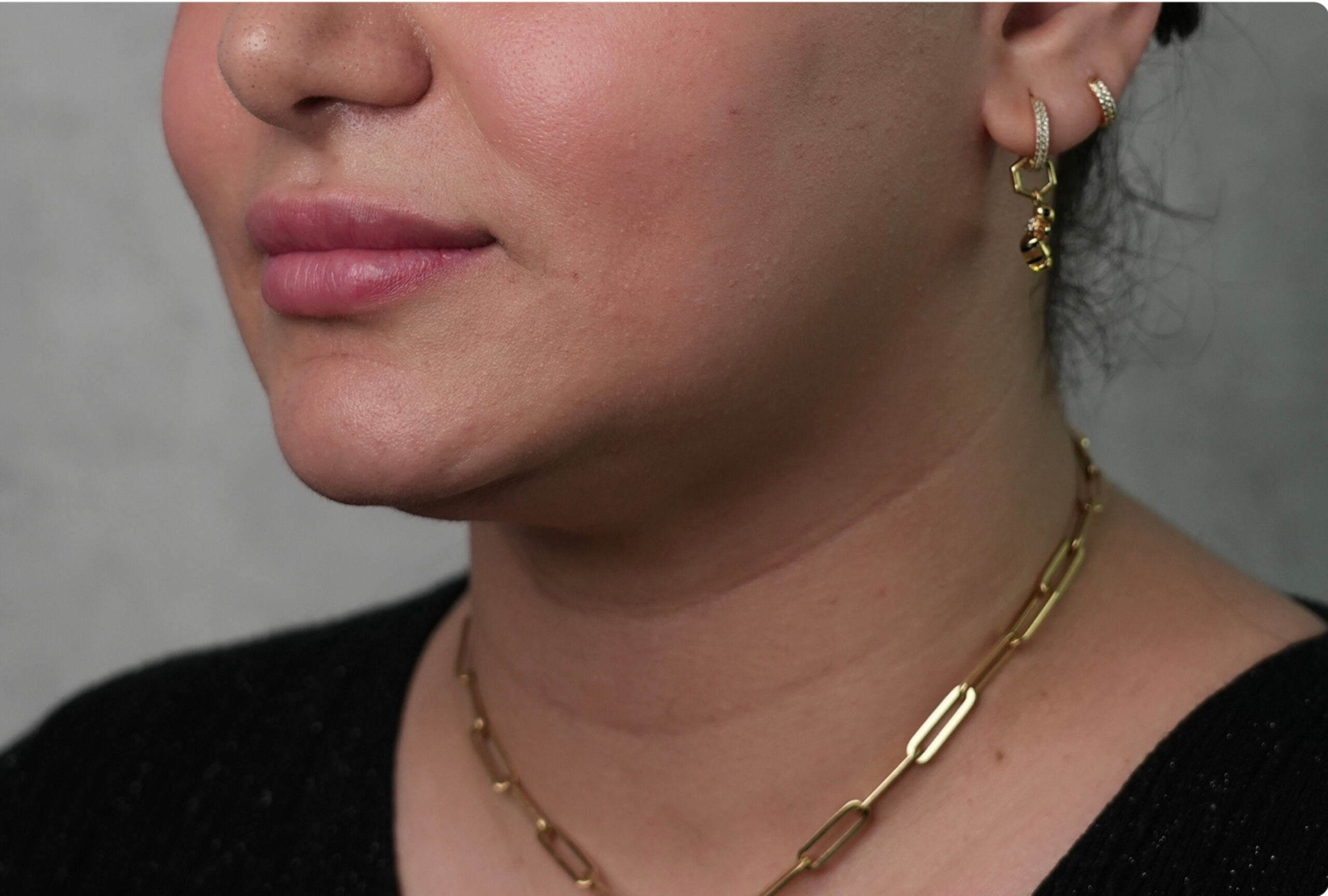
Fat beneath the chin is the most common facial use, and the one that responds most reliably. It is also the area where it matters most to establish first that the fullness is fat rather than a gland, fluid or simply the position of the jaw.
02
Arms
The upper arm usually presents two problems at once: a pocket of fat over skin that has already lost elasticity. Treating only one of them is why arm contouring so often disappoints, which is why I treat this area with laser and a collagen stimulator in the same appointment
03
Lower eyelids
Lower eyelids — PAGE COPY
Where a lower-lid fat pad is creating the shadow, a very fine fibre can reduce its prominence and tighten the overlying skin without an incision. This is the most delicate area treated with this technique, and the assessment matters more here than anywhere.
04
Body
Abdomen, flanks, back, thighs and knees. Localised deposits that have not responded to training or diet — not a treatment for overall weight loss, and not a substitute for it.
05
post liposuction irregularities
Liposuction that has left dents, ridges, firm patches or an uneven contour is a different problem from the one it was meant to solve. Where the cause is fibrosis and tethering beneath the skin, the fibre can release those bands and treat any residual localised fat at the same time. Where the contour is missing volume rather than holding too much, it needs replacing rather than reducing — and part of the assessment is telling you which of the two you actually have.
On the day
The area is numbed with local anaesthetic. You are awake and comfortable throughout, and most people describe a sensation of pressure and movement under the skin rather than pain. Depending on the area, the treatment takes between forty minutes and about two hours.
Once the fat has been emulsified, I remove it directly with a fine syringe rather than leaving all of it to be cleared over the following weeks. There is no suction device and no liposuction cannula — but taking the liquefied fat out shortens the recovery noticeably. The body would clear it either way; this simply gives it less to do.
You go home the same day, in a compression garment fitted to the area treated.
Recovery
You will bruise. It is worth saying plainly, because most pages describing this treatment imply you will not.
Bruising and swelling are at their most obvious for about a week and largely settled by around ten days. The compression garment is worn continuously for the first one to three days, then for eight to ten hours a day after that.
What makes the biggest difference to that timeline is lymphatic drainage massage — two or three sessions in the first ten days. I recommend it to everyone rather than treating it as an optional extra, and it is the single most useful thing you can do for yourself afterwards.
If you have an event coming up, have this done six to eight weeks beforehand. The bruising is long gone well before then, but the contour is still developing, and you want to arrive looking at the result rather than at the process.
Who it suits, and who it does not
This is likely to suit you if
- You have a localised, defined deposit of fat rather than generalised fullness
- Your skin has reasonable quality and some capacity to retract
- Your weight has been broadly stable
- You want a change in shape rather than in the number on a scale
This is not the right treatment if
- There is significant skin excess — that needs surgical removal, and no laser substitutes for it
- The fullness is not fat. Fluid, muscle, glandular tissue and bone position all create shapes that look like fat and do not respond like it
- You are looking for weight loss, or are actively losing or gaining a large amount of weight
- The volume to be treated is large. There is a ceiling to what the body can clear, and exceeding it is neither safe nor effective
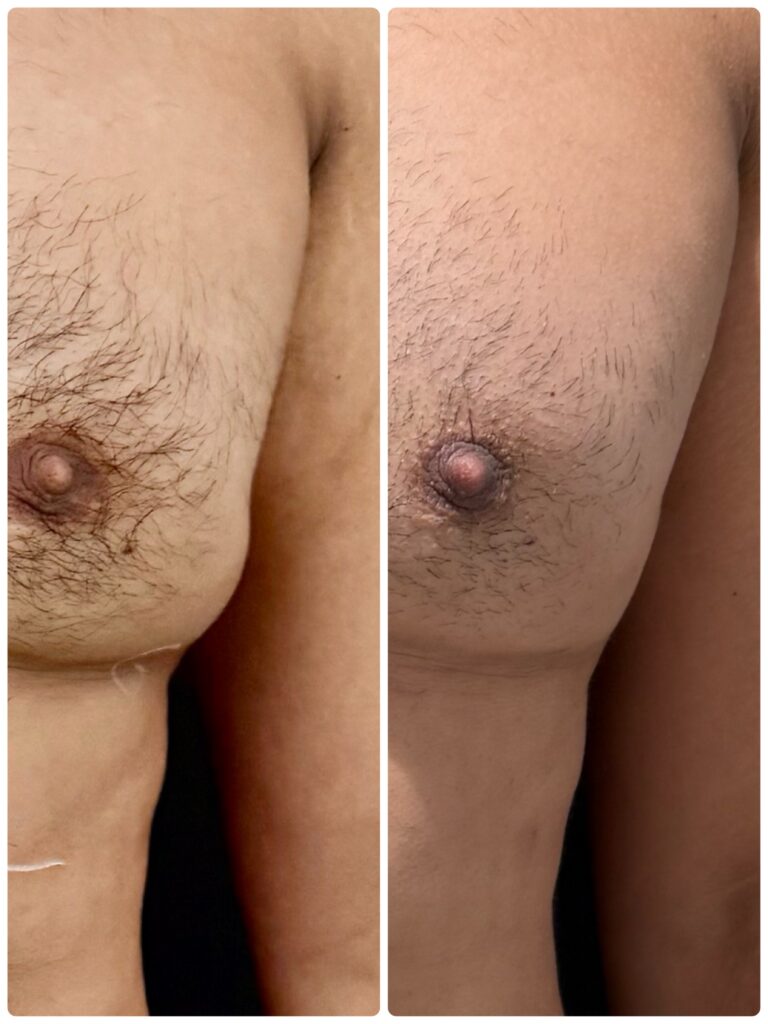
Male Chest Contouring
Not every enlarged male chest is the same. Before considering Forza laser lipolysis, we first assess what is actually creating the volume. Clinical examination and, when appropriate, ultrasound assessment can help distinguish predominantly fatty tissue (pseudogynecomastia) from true glandular gynecomastia. If the fullness is mainly caused by localized fat and the skin has sufficient elasticity, laser-assisted lipolysis may be used to reduce the fatty layer while delivering controlled thermal energy to support skin contraction and collagen remodeling. Forza does not remove significant glandular breast tissue, and patients with true gynecomastia may require further medical assessment or a surgical approach. Similarly, when there is a large volume of fat or significant excess and sagging skin, a different treatment plan may provide a more appropriate result.
The goal is not simply to treat the chest — it is to identify what is causing the chest fullness first, and then choose the appropriate treatment.
The device I use:
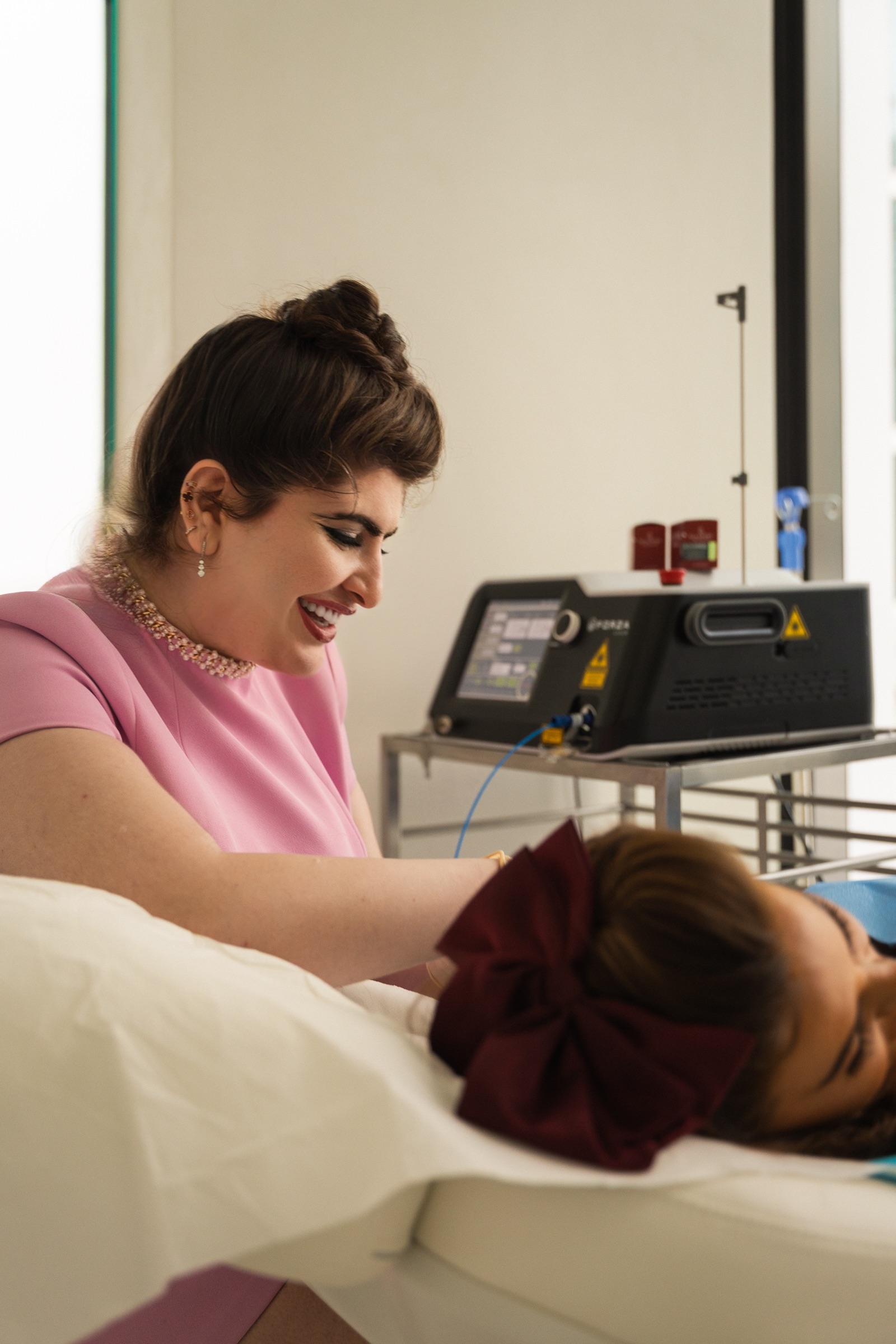
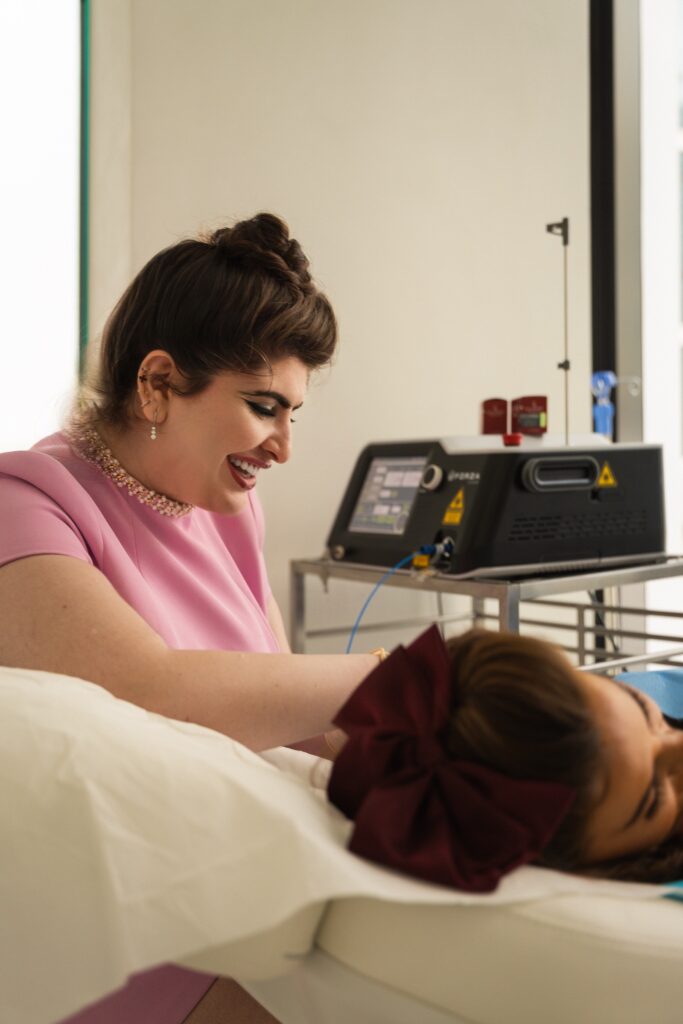
I use a Forza fibre-coupled diode laser, made in France, operating at 980 nm and 1470 nm. It is CE marked and FDA cleared, and it takes fibres from 200 microns — fine enough for the lower eyelid — up to 1000 microns for larger body areas. That combination of two wavelengths and a wide fibre range is why one platform covers every area listed above, from the lower eyelid to the abdomen.
You are entitled to ask any clinic what device they are using and to see it. I would encourage you to.
What to ask before you book — anywhere
Prices for this treatment in Dubai vary more than almost any other aesthetic procedure, and it is worth understanding why before you choose on cost alone.
What goes into it: the physician’s time for the assessment and the procedure, ultrasound where it is needed, the fibre and consumables, anaesthetic, the compression garment, the three-month review, and the purchase and annual servicing of a device that costs what a car costs. When a price sits below what those components come to, something on that list is not happening. It is worth asking which.
Five questions worth asking at any clinic, including this one:
- What device are you using, who makes it, and may I see it?
- Is it registered for use in the UAE?
- Will a doctor perform the treatment, or a technician?
- What is included — assessment, garment, follow-up?
- If something goes wrong, who manages it?
That last question is the one people forget, and it is the most important. A brand name in an advertisement is not proof of the device in the room. Any clinic treating you properly will answer all five without hesitation.
What it costs
Pricing depends on the area, the size of it, and the time the treatment takes.
Under the chin: from AED 5,500. Lower eyelids: from AED 4,500. Arms, with a collagen stimulator in the same session: AED 8,400.
Other areas are quoted at assessment. Each area page sets out what is included.


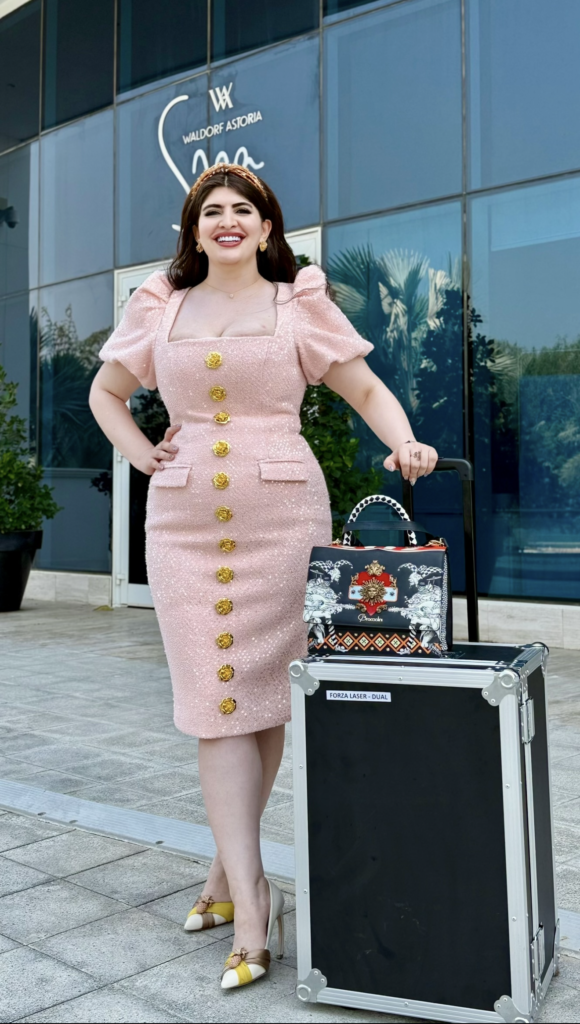
Testimonials
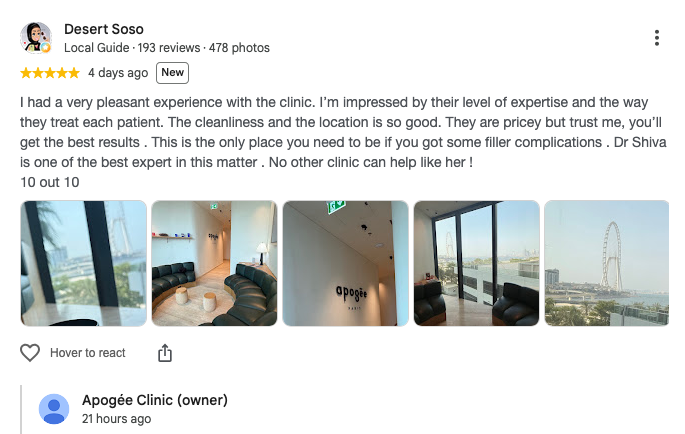

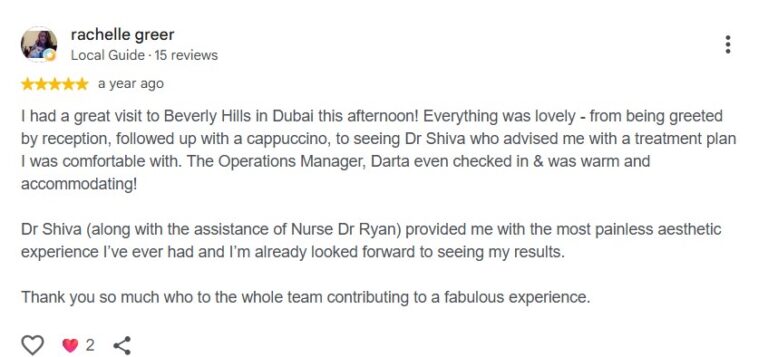
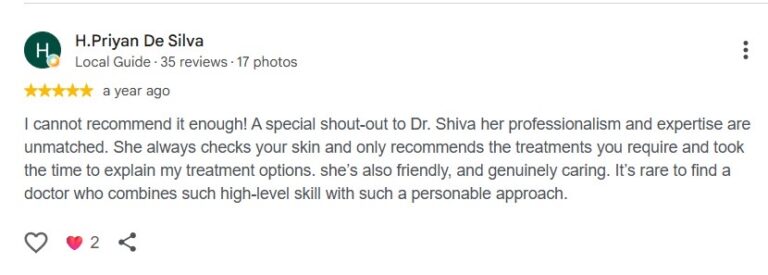
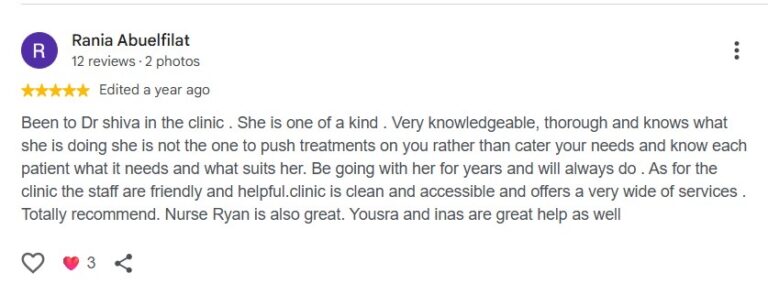
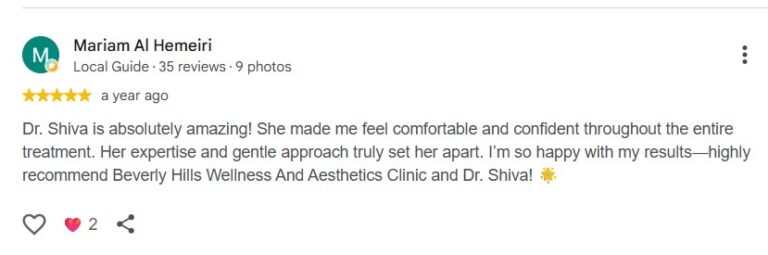
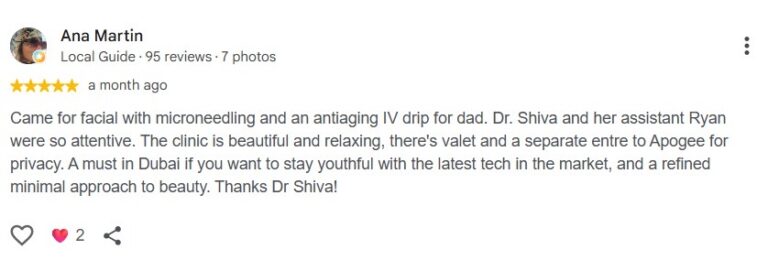


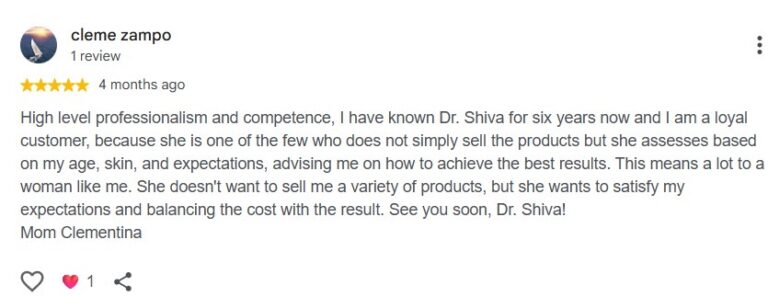
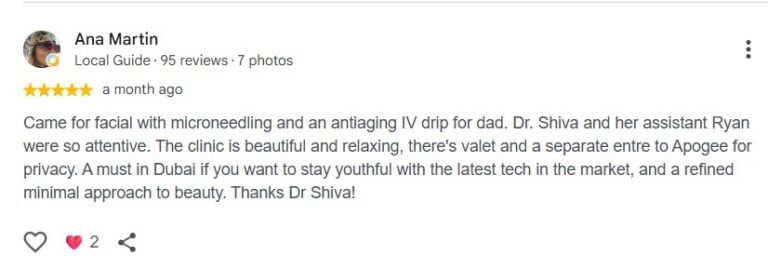
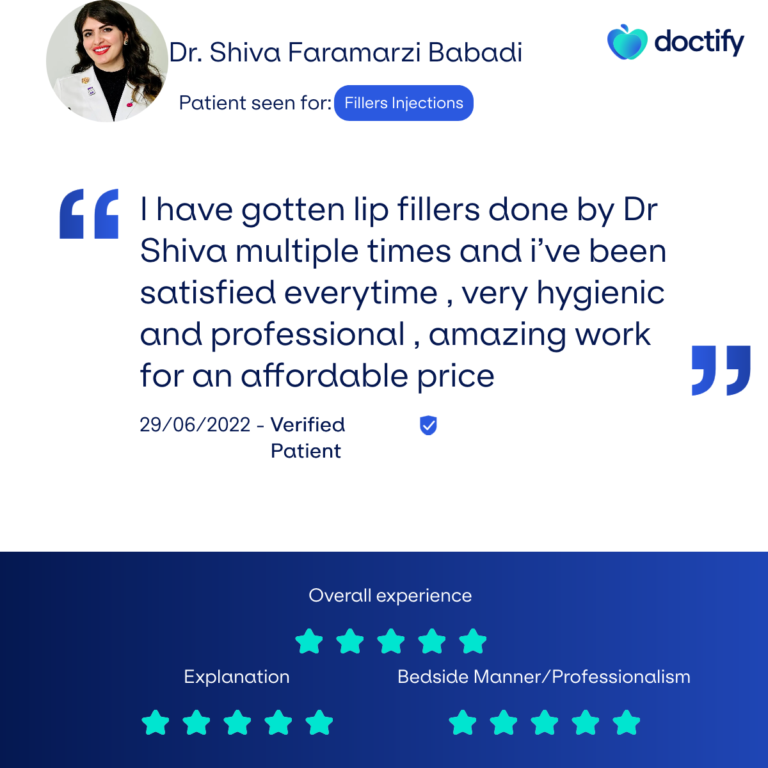
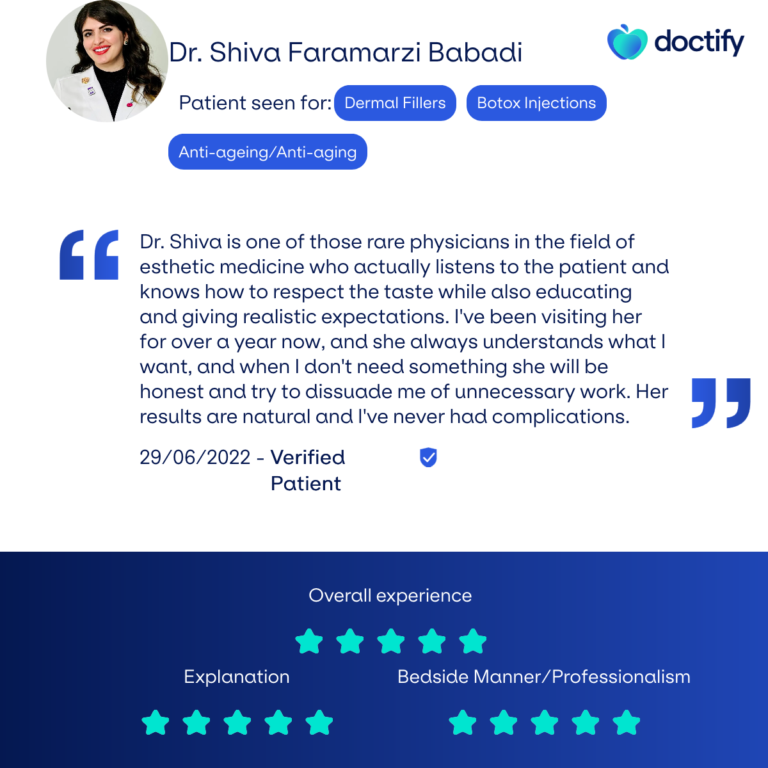
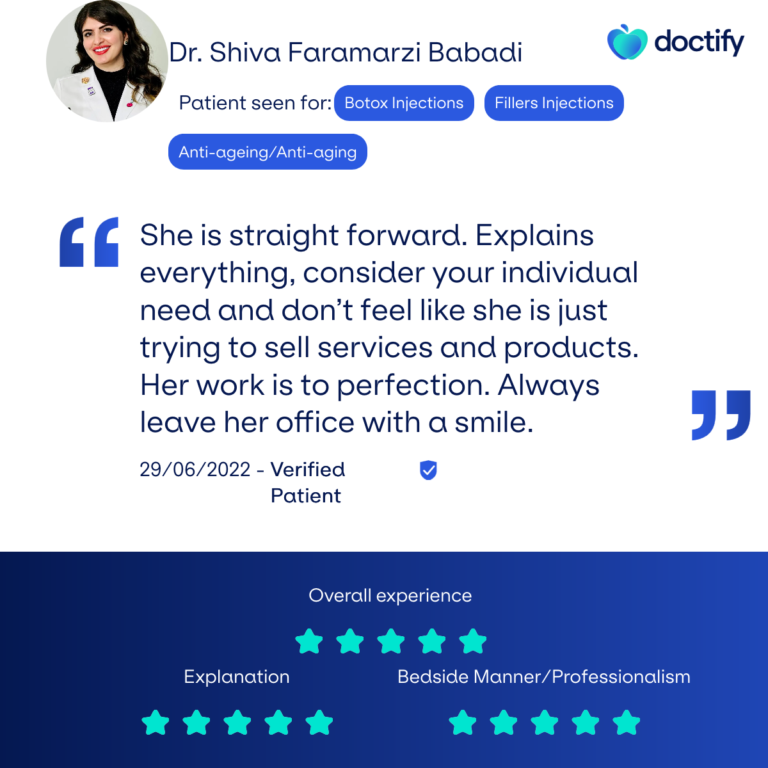

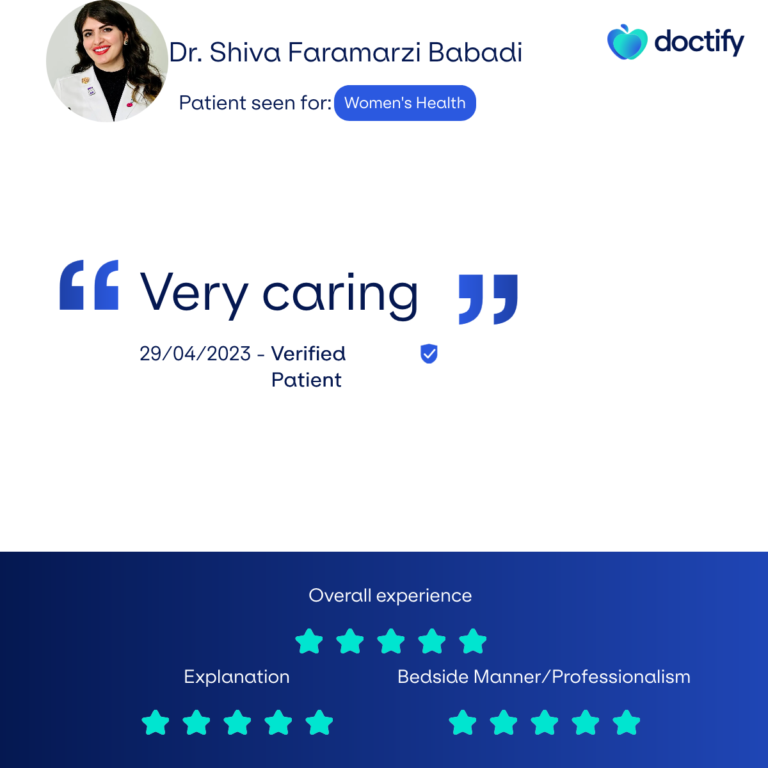
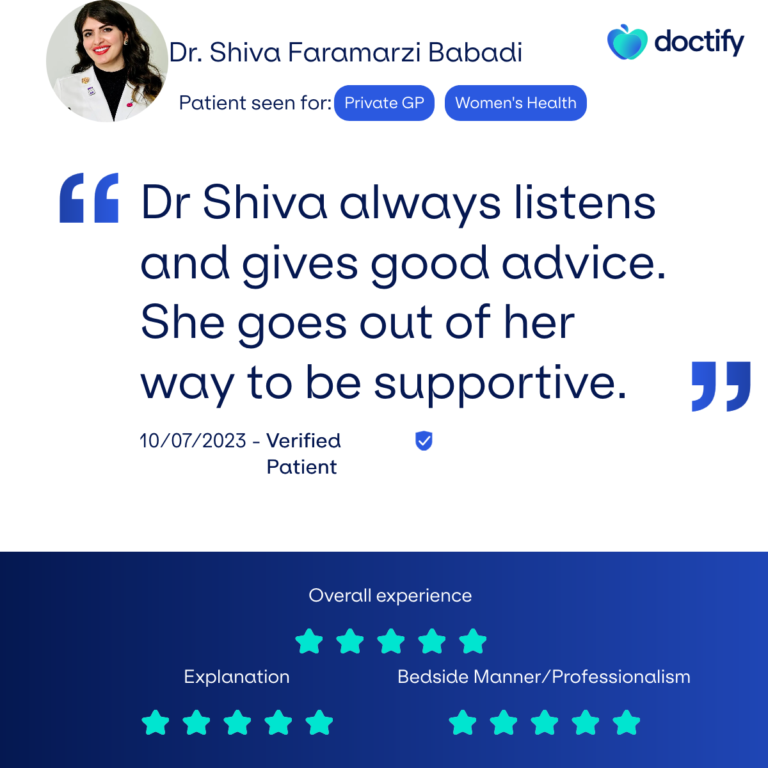
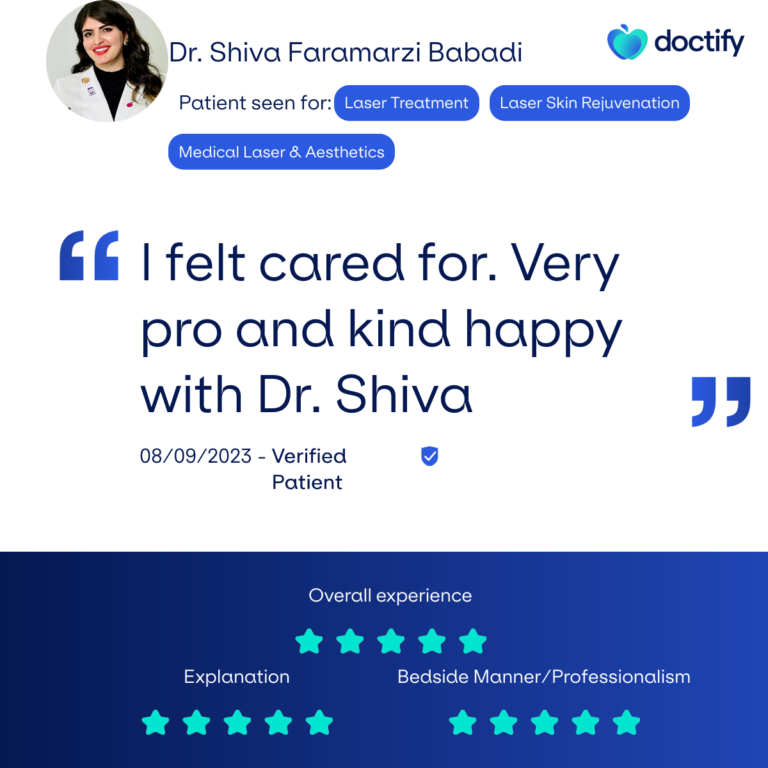
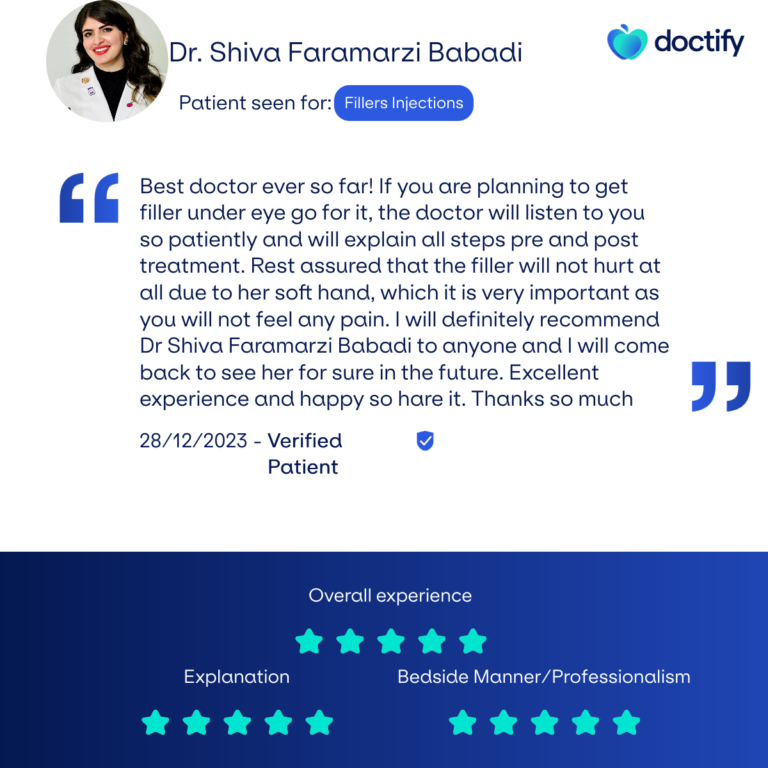
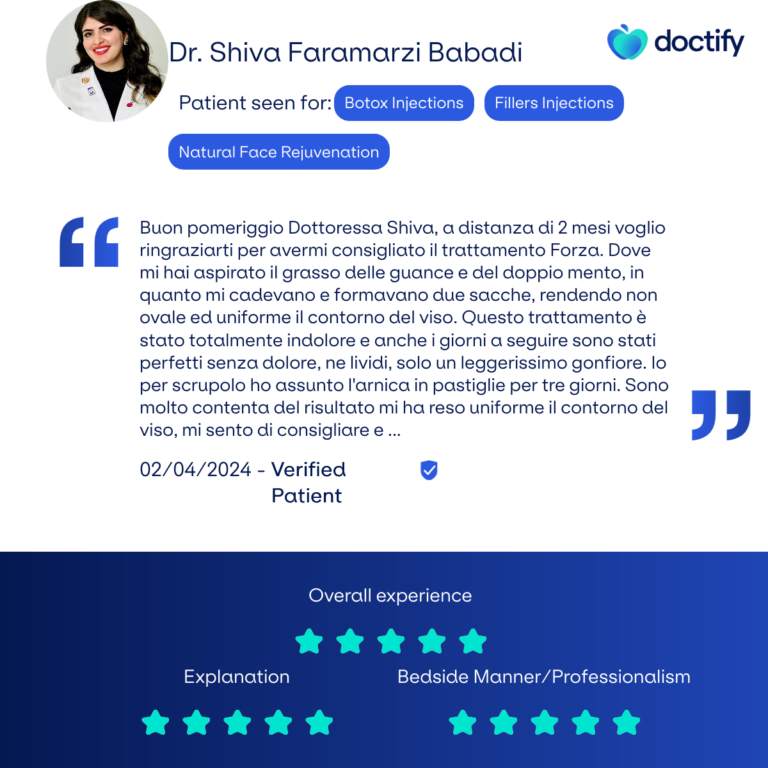
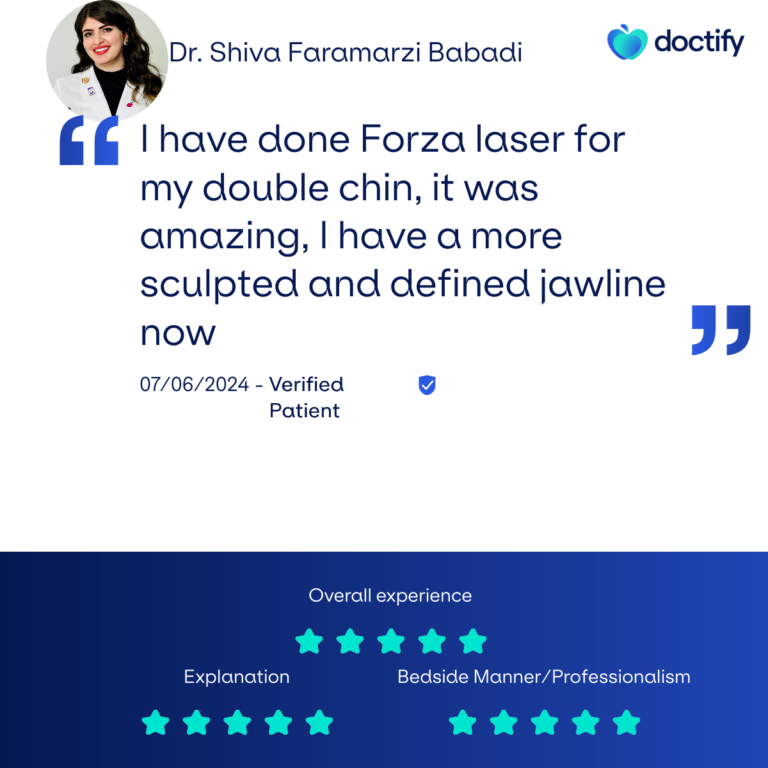
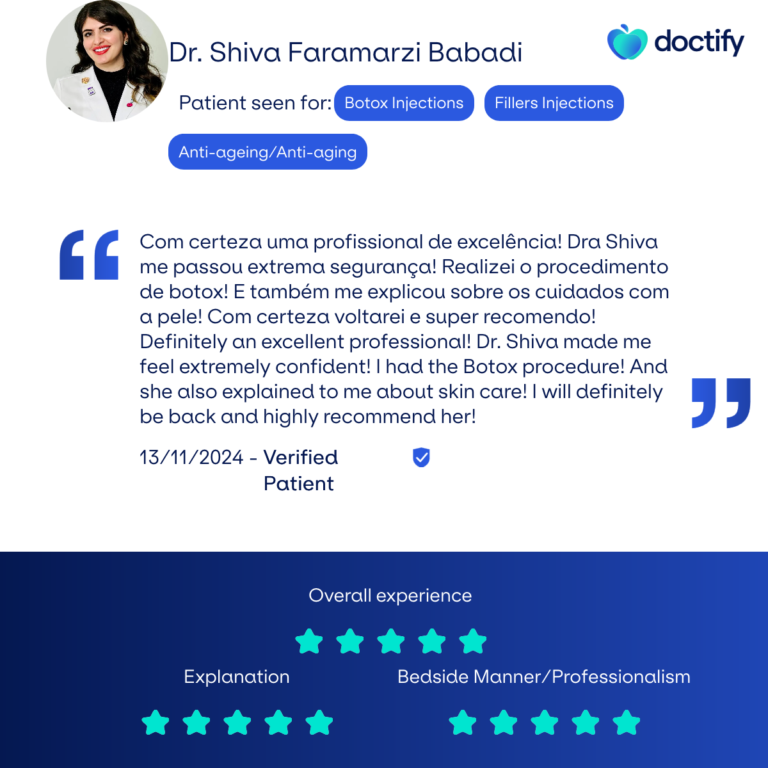
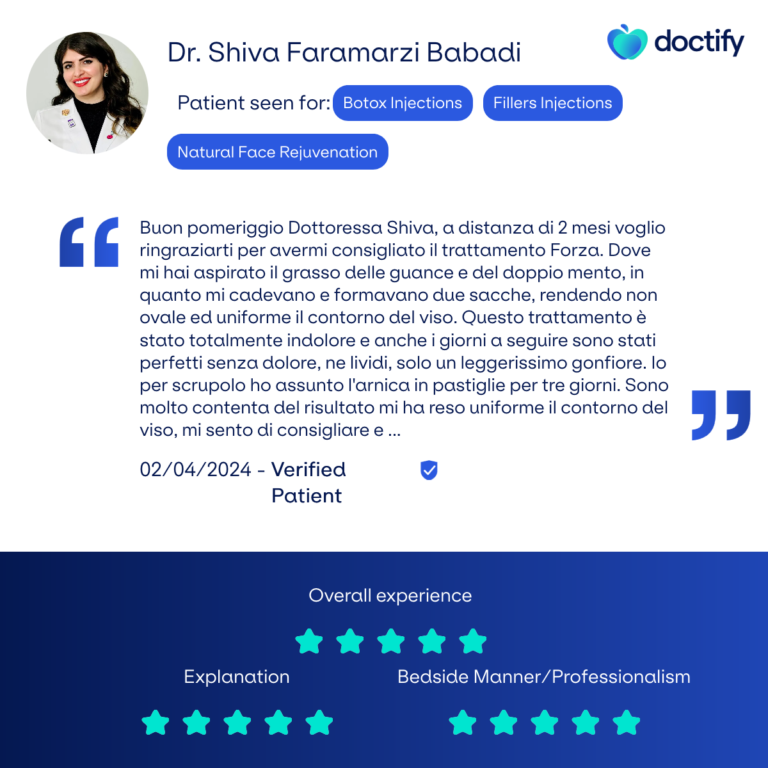

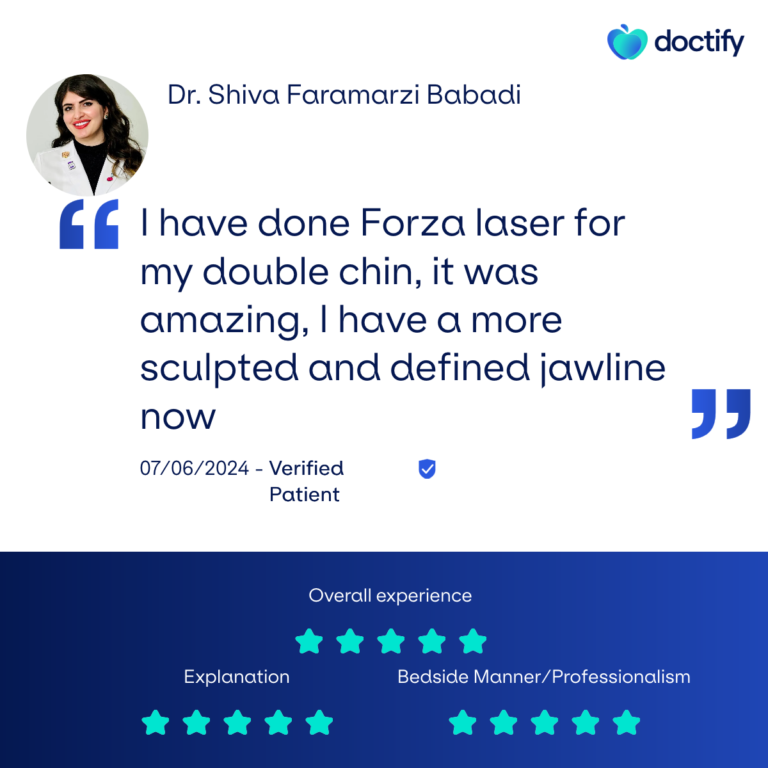
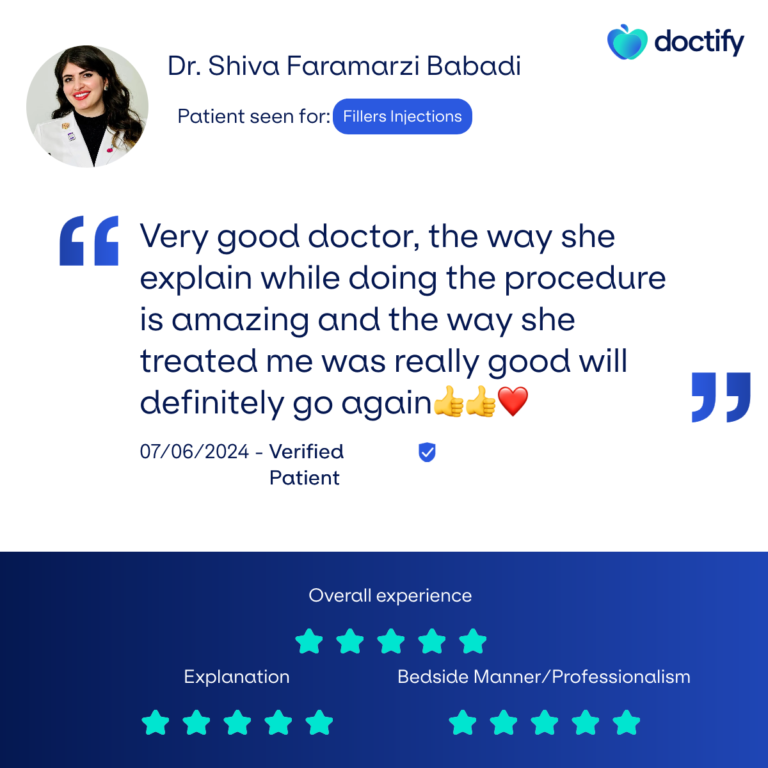
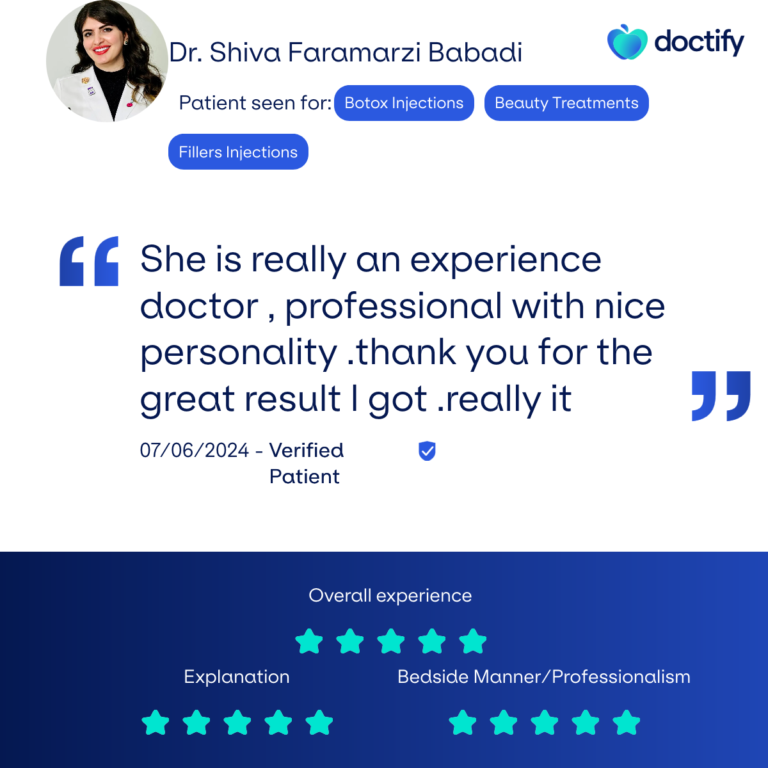

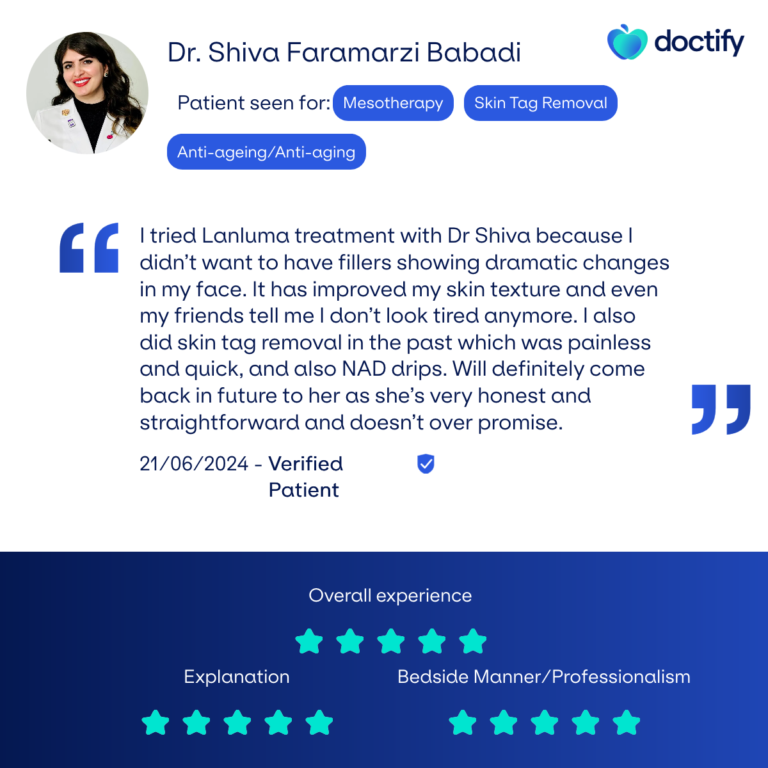
if your question is not listed here
send us a whatsapp at +971 52 328 6185.
Frequently asked
questions
A treatment performed beneath the skin rather than on it. A fine optical fibre is introduced through a needle puncture and delivers 1470 nm laser energy into the fat layer, reducing localised fat and tightening the tissue above it at the same time. It is done under local anaesthetic, through an entry point that needs no stitch.
Endolift® is one manufacturer’s trademarked name for this technique. The technique itself — 1470 nm delivered under the skin through a fine fibre — is performed on several platforms and appears in the literature under generic names. I use a different CE-marked, FDA-cleared system and have worked with the branded platform as well.
No. Liposuction removes fat but does not tighten the skin that was holding it, which is why a large removal can leave an area looking loose. Here the same thermal energy that breaks down the fat also contracts the tissue above it. Access is a needle puncture rather than a surgical incision, under local rather than general anaesthetic.
Not during the procedure, which is performed under local anaesthetic — most people describe pressure and movement rather than pain. Afterwards the area feels sore, tight and heavy for several days, usually managed with simple analgesia.
Bruising and swelling are most obvious for about a week and largely settled by around ten days. Two or three sessions of lymphatic drainage massage in that window speed it up considerably
The result is assessed at around three months and continues to improve to about six as collagen forms. Improvement is visible well before then, but three months is the honest endpoint.
Many people get the result they want from one. Some need two, which is a normal outcome rather than a failure of the first. The decision is made at the three-month review, once the first result is visible — not sold to you on the day of the first treatment.
Fat cells that are removed do not return. But the tissue still ages and still responds to significant weight change, so the result is long-lasting rather than permanent. Any clinic describing it as permanent is overstating it.
Yes. Both the wavelength and the fibre calibre change with the area — 1470 nm through a very fine fibre for the lower eyelid, and a heavier fibre, sometimes with 980 nm, for the abdomen or arms. That range is the reason I chose this platform.
That the laser can emit at two different wavelengths, which behave differently in tissue. 1470 nm is absorbed strongly by water and fat, so it works precisely and close to the fibre — this is the wavelength that reduces fat and tightens skin. 980 nm is absorbed less, so it reaches further and heats a wider volume, which suits larger body areas and helps coagulate small vessels. Having both means the wavelength is chosen for the area being treated.
That is what the assessment establishes, and the honest answer is that not everyone is. Where the fullness is not fat, or the skin excess is significant, I will tell you at the consultation rather than after three sessions that were never going to work.