Home / Services / Loose Skin After Weight Loss in Dubai | Mounjaro & Ozempic | Dr Shiva
Loose Skin After Weight Loss in Dubai
After Mounjaro, Ozempic, retatrutide — or the long way round.
Loose Skin After Weight Loss in Dubai
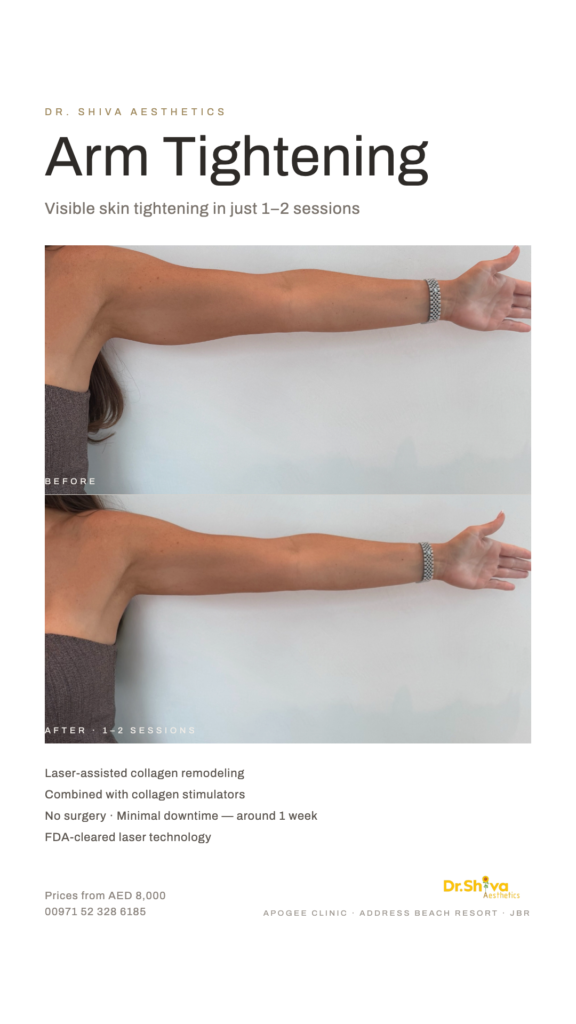
Weight loss changes the body faster than skin can follow. You may have lost the weight with Mounjaro or Ozempic, after bariatric surgery, or through years of discipline — and now be looking at a body that is smaller, but not the shape you expected. Skin that creases where it used to be full. Hips and buttocks that have flattened. Arms that keep moving after you stop. A face that looks tired before you are.
What looks like one problem in the mirror is usually three: loose skin, lost volume, and fat that did not leave. They need different treatments. Treating the wrong one is how people spend money and see very little change.
My approach is to name the problem first and choose the treatment second. I combine treatments when I can identify two different problems — not because combining more treatments automatically produces a better result.
Why skin does not simply shrink back
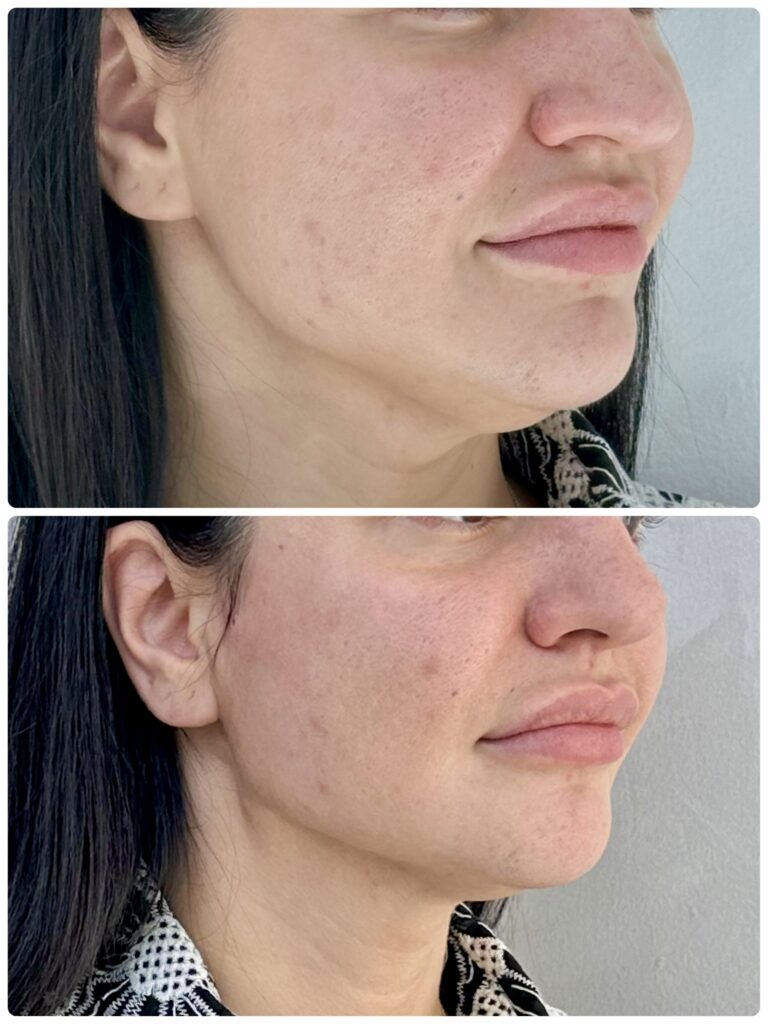
Skin that has been stretched for years remodels around the volume underneath it. Collagen and elastin fibres lengthen, thin and lose their recoil. How much the skin retracts once that volume is gone depends on your age, how long the weight was carried, how much was lost and how quickly, sun exposure, smoking, and genetics. Two people who lose the same number of kilos can end up with very different skin.
Medication-assisted weight loss also is not purely fat loss. In the body-composition substudy of the tirzepatide (Mounjaro) obesity trial, roughly three-quarters of the weight lost was fat and about a quarter was lean mass1. That ratio is similar to other forms of weight loss — but it matters for shape. Muscle under the skin is part of the contour, especially in the buttocks, thighs and upper arms. When it shrinks as well, the skin has even less to drape over.
Mounjaro, Ozempic, retatrutide — does it matter which one?
Ozempic and Wegovy are semaglutide; Mounjaro is tirzepatide. For the skin, what matters most is how much weight you lost, how fast, and what your skin was like to begin with — not the brand on the pen.
Retatrutide is different, and I want to be clear about it. It acts on three hormone pathways rather than one or two, and in a phase 2 trial the highest dose produced an average weight loss of around 24% at 48 weeks2. But as of October 2026 it is still an investigational medicine — it is not approved by the US FDA and it is not a registered medicine in the UAE. Pens sold in Dubai as “for research use only” are not licensed medicines, and neither you nor I can verify what is in them.
If you have used retatrutide, please tell me. Not so that I can judge — so that I know what has been injected into the tissue I am about to treat, and can plan safely around it.
This page is about what happens after the weight loss: skin, shape and volume. Whether to start, continue or stop a weight-loss medication is a decision for you and the doctor who prescribes it.
When to start
The best time to treat is once your weight has settled. In the surgical literature, patients whose weight had been stable for at least three months before body contouring surgery had significantly fewer complications3. The same logic applies without surgery: filler placed into a body that is still shrinking is placed into a moving target.
If you are close to your goal, we can assess and plan now, and begin the slower collagen-building work as the weight settles, so you are not waiting twice.
If you are on a GLP-1 medication and also planning surgery under general anaesthesia or sedation, tell your surgeon and anaesthetist: these medicines slow stomach emptying, which is a recognised consideration around anaesthesia4.
Three problems that look like one
What you see | What is usually underneath | What I consider |
Skin that creases, wrinkles or moves when you do — inner arms, abdomen, inner thighs, above the knees | Laxity: collagen and elastin that no longer recoil | Collagen stimulators (Sculptra, Lanluma); RF microneedling for crepey surface texture |
Hips and buttocks that look flat, hollow or deflated; hip dips more visible | Lost volume — fat and often muscle | Body fillers: hyaluronic acid, Lanluma body, Renuva |
A pocket that will not move — lower abdomen, bra line, inner thigh, upper arm, under the chin | Residual fat, often with mild laxity over it | Forza endolaser — slims and tightens in one treatment |
Skin that hangs in a fold you can lift and hold, or overhangs a waistband | True skin excess | Surgery. I refer to a plastic surgeon I work with |
Most people who come to me after significant weight loss have more than one row of that table — which is exactly why the assessment comes before the plan.
How I assess
- I look at you standing and moving, not only lying down — laxity shows itself in motion.
- A pinch test separates skin from fat; high-frequency ultrasound shows me how thick the fat layer actually is and whether there is previous filler under the surface.
- Standardised photographs, so we are measuring change rather than remembering it.
- A written, sequenced plan: what we treat first, what waits, and what I do not recommend at all.
Achieve a Defined Look in Just One Visit!
What I use — and when
01
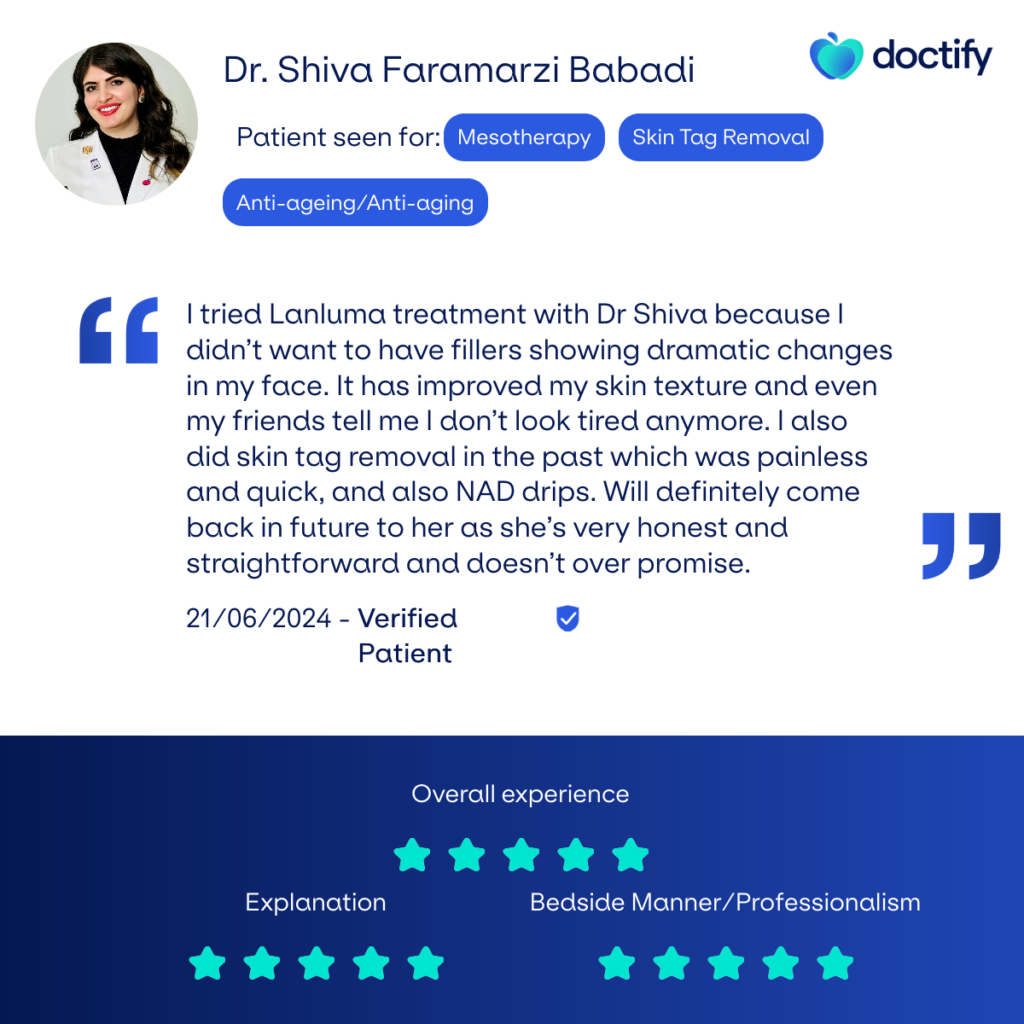
Collagen stimulators — for mild to moderate laxity
Poly-L-lactic acid (Sculptra, Lanluma) is injected beneath the skin in a fanned pattern. It does not fill; it prompts your own tissue to lay down new collagen over the following months, so skin becomes firmer and thicker gradually. An international consensus supports its potential benefit for the abdomen, upper arms, knees, neck and buttocks, while noting that most of the evidence comes from case series and small trials, and that moderate-to-severe abdominal laxity may need surgery5. A wider review reaches a similar conclusion about body use6.
Treatment is a course rather than a single visit — usually two to four sessions several weeks apart, depending on the area and how lax the skin is. I will tell you the number after I have examined you, not before.
02
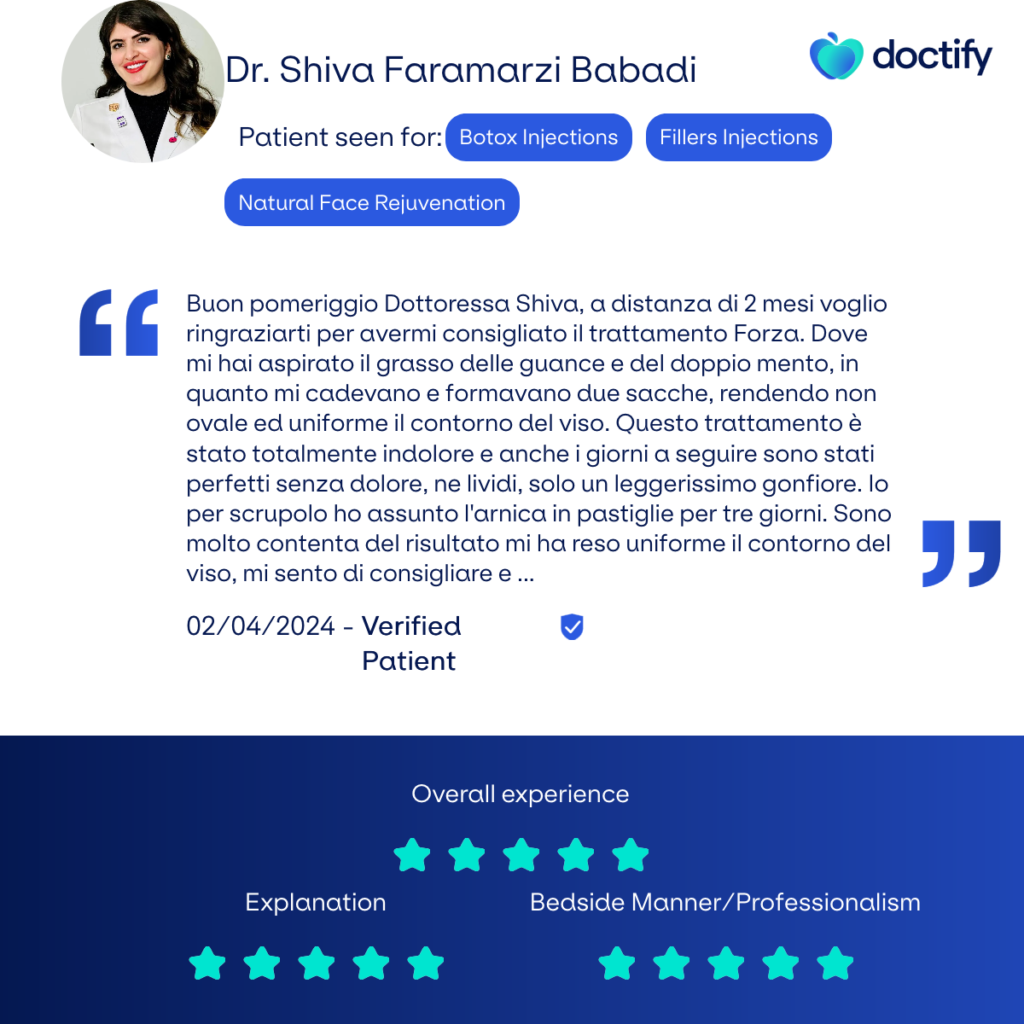
Forza endolaser — when fat and laxity sit together
A fine laser fibre is introduced through a needle puncture under local anaesthetic. The laser emulsifies the fat, which I then remove gently with a fine syringe, and the heat contracts and tightens the tissue in the same pass. For arms, I often combine it with Lanluma in the same session — one treatment for the fat, one for the skin. See laser lipolysis in Dubai and arm fat reduction.
Endolaser is not a weight-loss treatment, and it does not remove skin that hangs. Expect a compression garment and some bruising and swelling that settles over one to two weeks.
03
Non-Invasive Precision
Body fillers — when the problem is volume, not skin
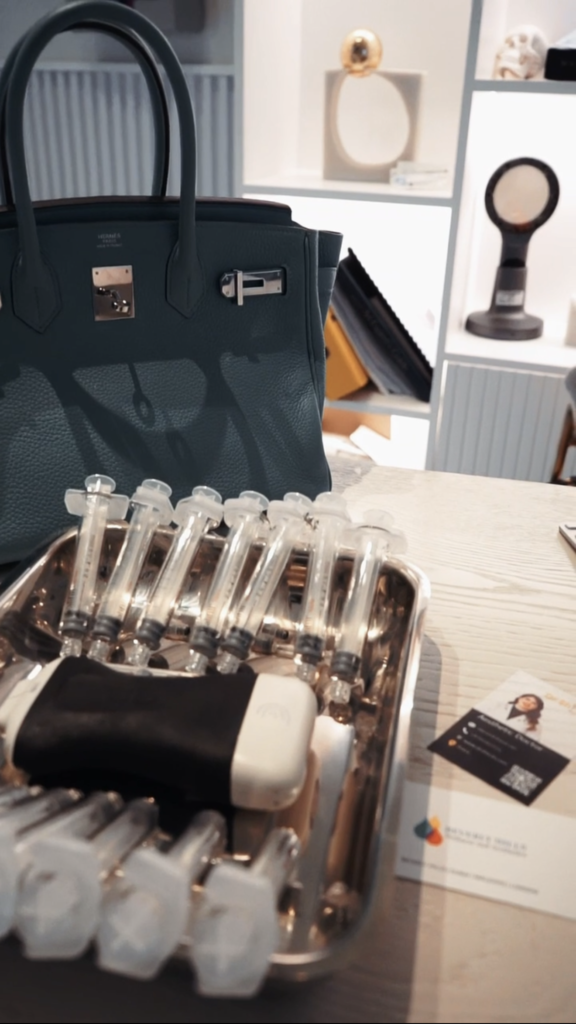
After rapid weight loss, the buttocks and hips often deflate before anything else. Here the answer is not tightening but replacing what was lost. Depending on the goal, I use hyaluronic acid body filler for an immediate result, Lanluma body to rebuild volume gradually while firming the skin, or Renuva, an adipose matrix that supports the gradual return of your own fat. Everything is placed with a blunt cannula, under ultrasound guidance, using registered products only.
In my experience, a hip or buttock result that patients are genuinely happy with usually needs around 200 cc of volume — more than most people expect. I have written a full page on body fillers in Dubai, including how I choose between the three.
04
Skin surface — crepiness and stretch marks
Thin, crepey skin and stretch marks are a surface problem layered on top of laxity. RF microneedling and Dermapen treatments with selected solutions improve texture and quality; they do not lift. See stretch marks and microneedling.
05
When surgery is the honest answer
If skin hangs in a fold you can lift and hold, no injectable, laser or device will remove it. In that situation I will tell you so, and refer you to a plastic surgeon I trust. Non-surgical treatment still has a role afterwards — for skin quality, and for volume the surgery cannot replace.

If your face lost more than you wanted
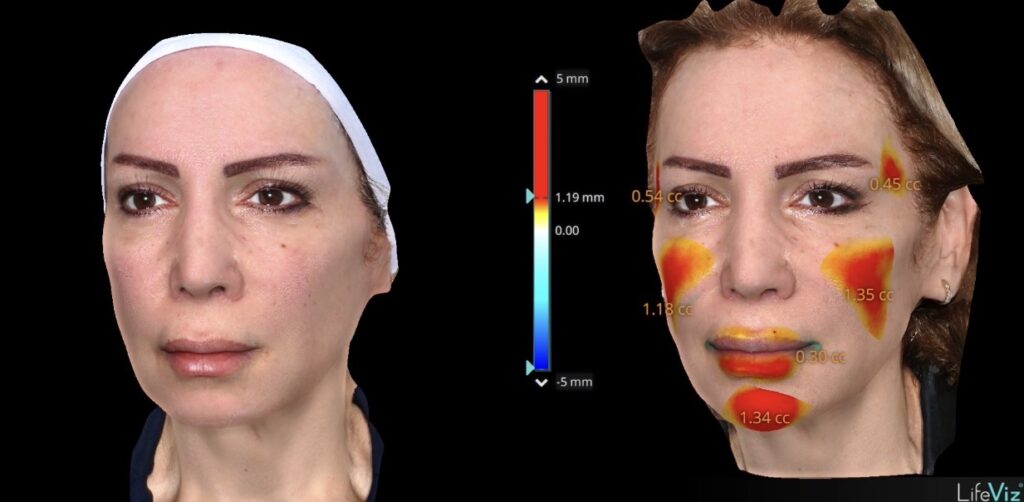
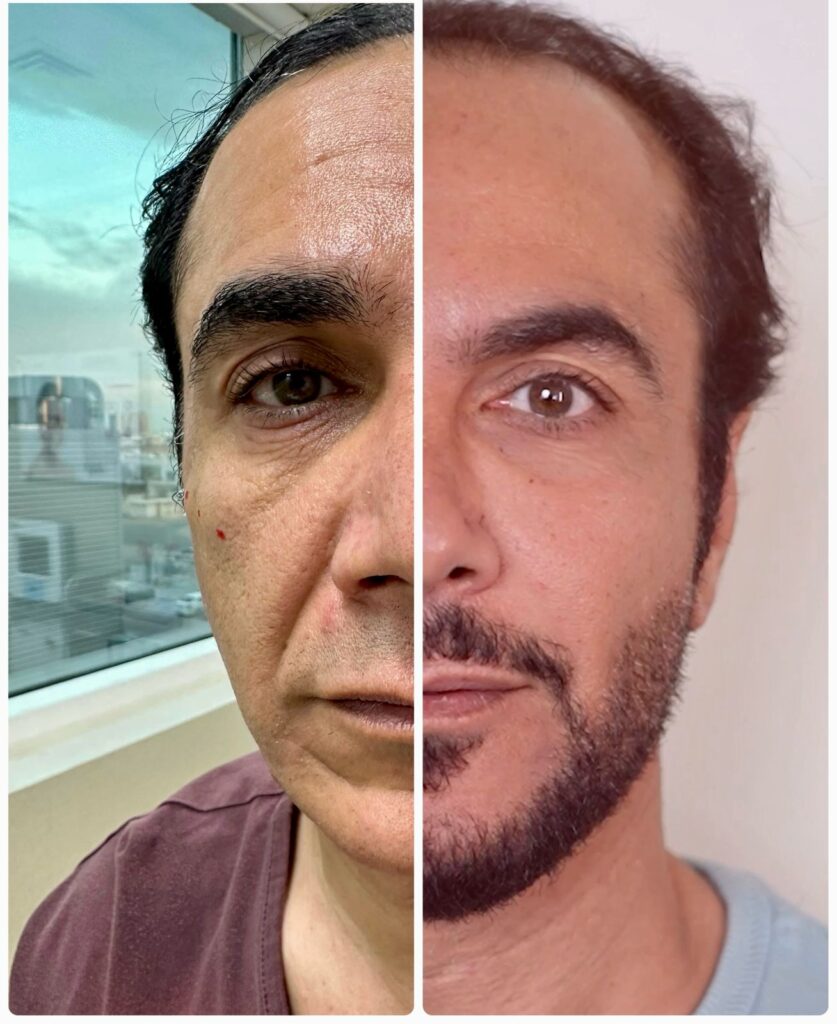
“Ozempic face” is a media term, but the change it describes is real and has been discussed in the facial plastic surgery literature: rapid fat loss depletes facial volume, and the skin that was supported by it begins to fold and sag4. The face rarely loses evenly. The deep fat compartments of the temples, midface and under the eyes empty first; the bone and ligaments stay where they were; and the skin drapes differently over what remains.
Many people who come to me asking for under-eye filler after weight loss actually need support in the cheek. A face can need volume, structure, or nothing yet — and deciding which is part of the assessment.
- Global volume loss (temples, cheeks and jaw together): I prefer collagen-building or volume-restoring options — Sculptra, Lanluma, Ellansé or Renuva — over large amounts of hyaluronic filler.
- A single, localised hollow: structural hyaluronic filler, placed under ultrasound guidance.
- Mild descent of the lower face: double-arm threads, which lift a little and build collagen.
- Thin, dull skin: skin boosters and regenerative skin treatments.
If you are still losing weight, I am cautious about filling a face that is still changing. See cheek & midface treatment, face & jawline and under-eye rejuvenation.
Protect what you keep
Whatever we do to the skin, the tissue beneath it is part of the result. Resistance training and adequate protein during and after medication-assisted weight loss help protect lean mass — the muscle that gives arms, thighs and buttocks their shape. Where it is indicated, I look at blood tests and body composition as part of longevity medicine rather than treating the skin in isolation.
What I will not promise
No injectable, laser or device returns skin to how it was before it was stretched. Collagen-based results build over months, not days. And a body that gains or loses significant weight again will change again, whatever has been done to it. What a careful plan can do is make the body you have now look like it belongs to you.
A note from Dr Shiva I have performed endolaser since 2016, and I use high-frequency ultrasound before injecting anyone who has had previous filler. I train other doctors in thread lifting across the UAE. After weight loss, the decision about what not to treat is often as important as the treatment itself. |



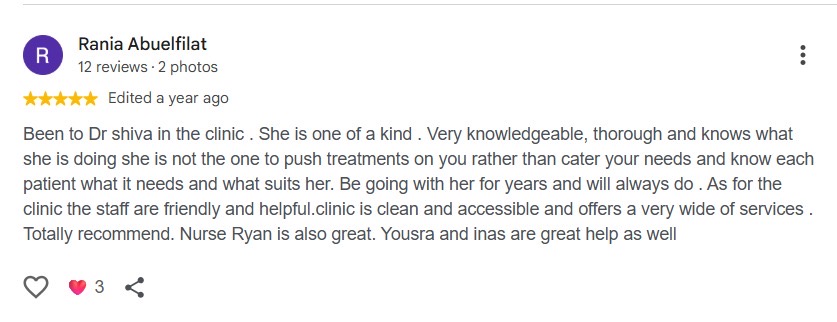
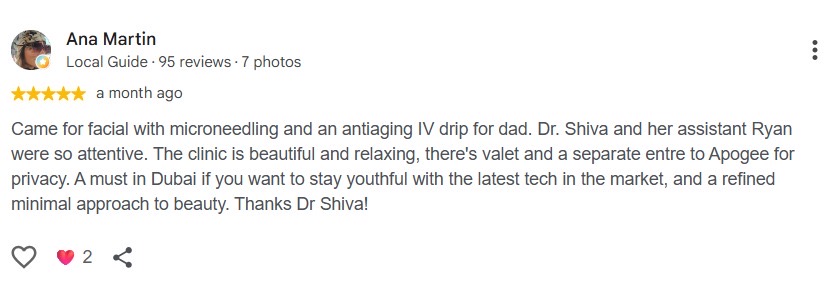
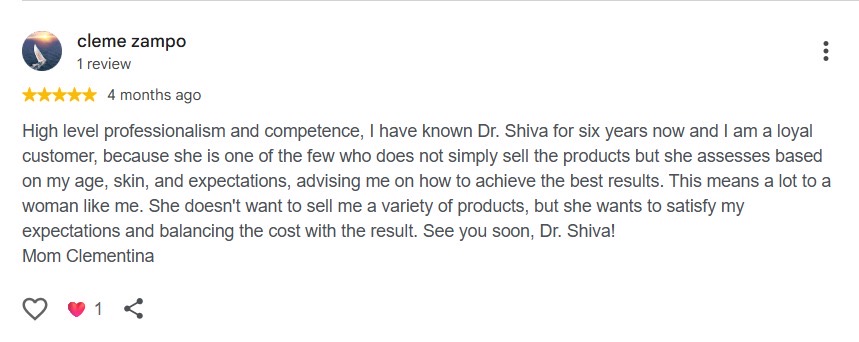
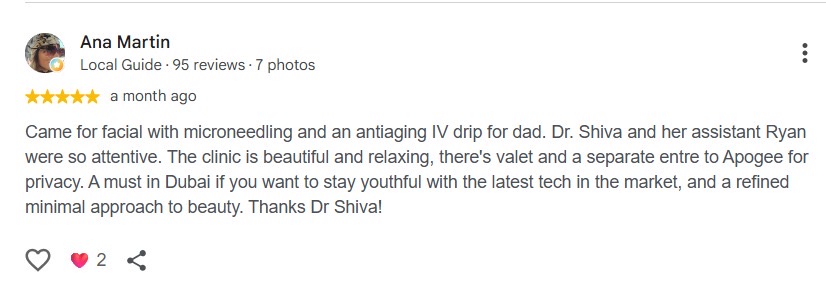
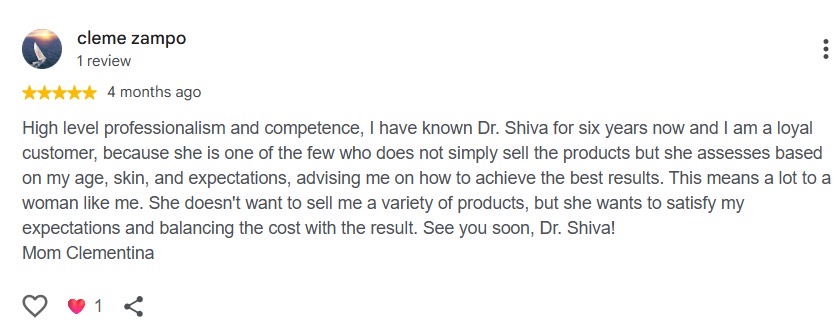
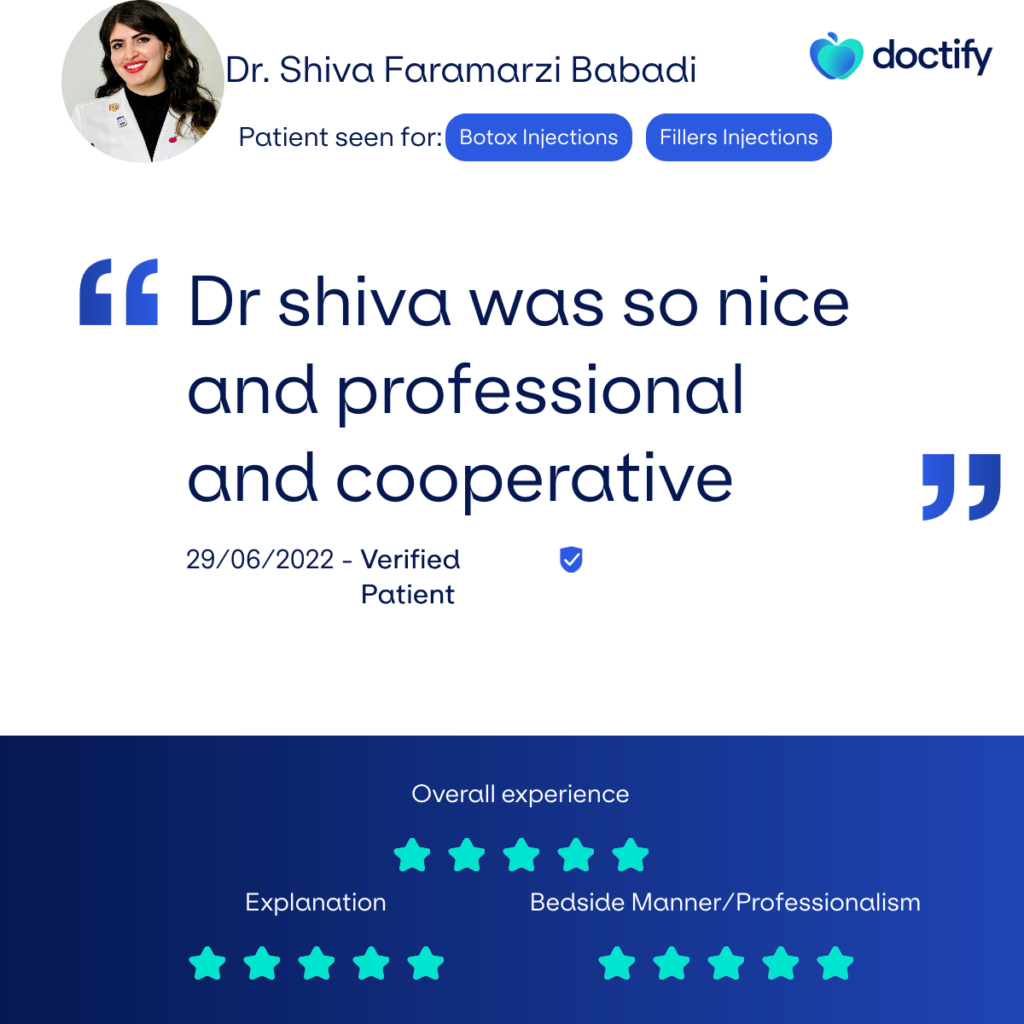
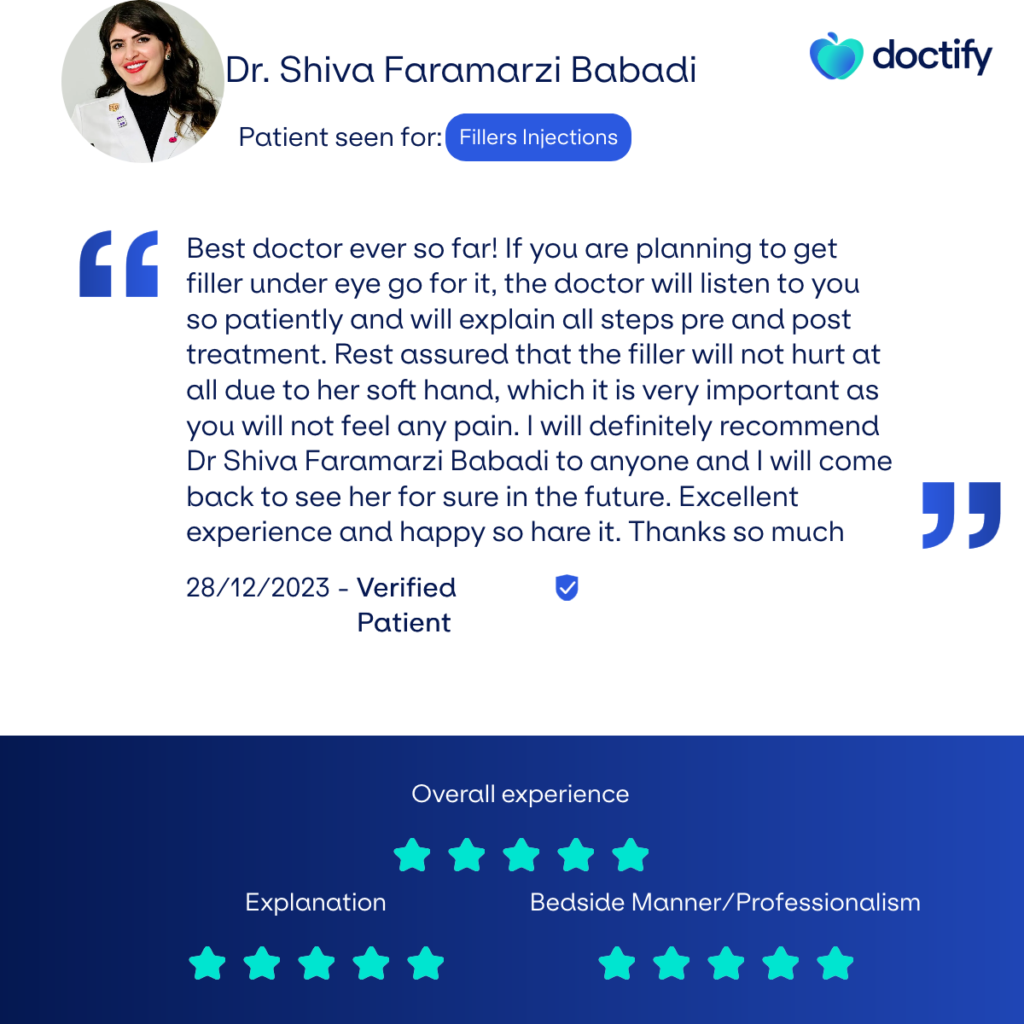
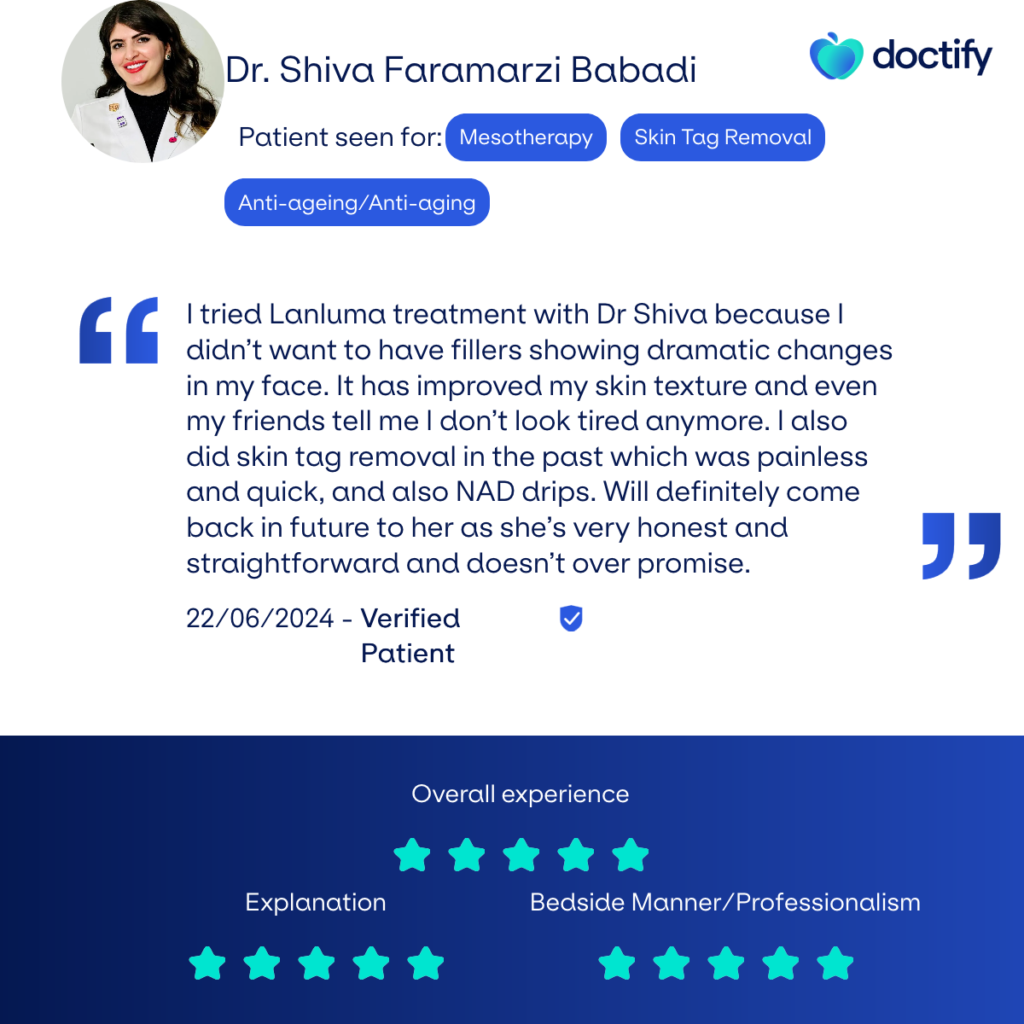
Testimonials




























FAQs
Some recoil happens over the months after weight loss, especially in younger skin and after smaller losses. It is worth waiting until your weight has been stable for a few months before judging what is left — but skin that was stretched for many years rarely returns fully on its own.
For surgery, a stable weight for at least three months is associated with fewer complications3. For non-surgical treatment we can assess and plan earlier, and start collagen-building treatments as the weight settles.
Where there is residual fat with mild laxity, it can slim and tighten the area. Where skin hangs in a fold or overhangs, it cannot — that is a surgical problem, and I will tell you so.
Please tell me what you are taking and at what dose. Injectable treatments and endolaser are done under local anaesthetic; anything planned under sedation or general anaesthesia needs your anaesthetist to know, because these medicines slow stomach emptying4.
No. As of October 2026 retatrutide is an investigational medicine: it is not approved by the US FDA and it is not registered as a medicine in the UAE. Products sold locally as “research use only” are not licensed medicines. If you have used it, tell me — it changes what I check before treating. |
It is a popular name for the facial hollowing and sagging that can follow rapid weight loss4. It can be treated — usually with collagen-stimulating or volume-restoring injectables chosen by where the volume was lost — but the face should be assessed as a whole, not filled where it looks hollowest.
If weight is regained, some fat returns, but there is no good evidence that it returns to the same facial compartments in the same way. I would not plan treatment around that expectation. |
No. When surgery is the right answer, I refer to a plastic surgeon I work with, and can plan non-surgical treatment for skin quality and volume around it.
Usually two to four sessions, several weeks apart, depending on the area and the degree of laxity. The number is decided after examination, not sold as a package.

About Dr Shiva
Dr Shiva Faramarzi, MD, is an aesthetic and longevity physician at Apogée Clinic, JBR, Dubai, with over a decade of clinical experience. Her work centres on ultrasound-guided treatment, filler complication management, endolaser, regenerative medicine and longevity medicine. She trains doctors across the UAE in thread lift techniques. Every plan starts with assessment, and sometimes that means deciding not to treat.
DHA Licence 43705219 · Fellowship in Aesthetic Medicine
Apogée Clinic, Address Beach Resort, JBR, Dubai
WhatsApp: +971 52 328 6185
Email: shiva@drshivaf.com
