Home / Services / Eyes Treatment Treatment
Under-eye and tear trough assessment in Dubai with Dr Shiva Faramarzi
UNDER-EYE • TEAR TROUGH • EYELID • PERIORBITAL
Under-Eye & Eye Rejuvenation in Dubai
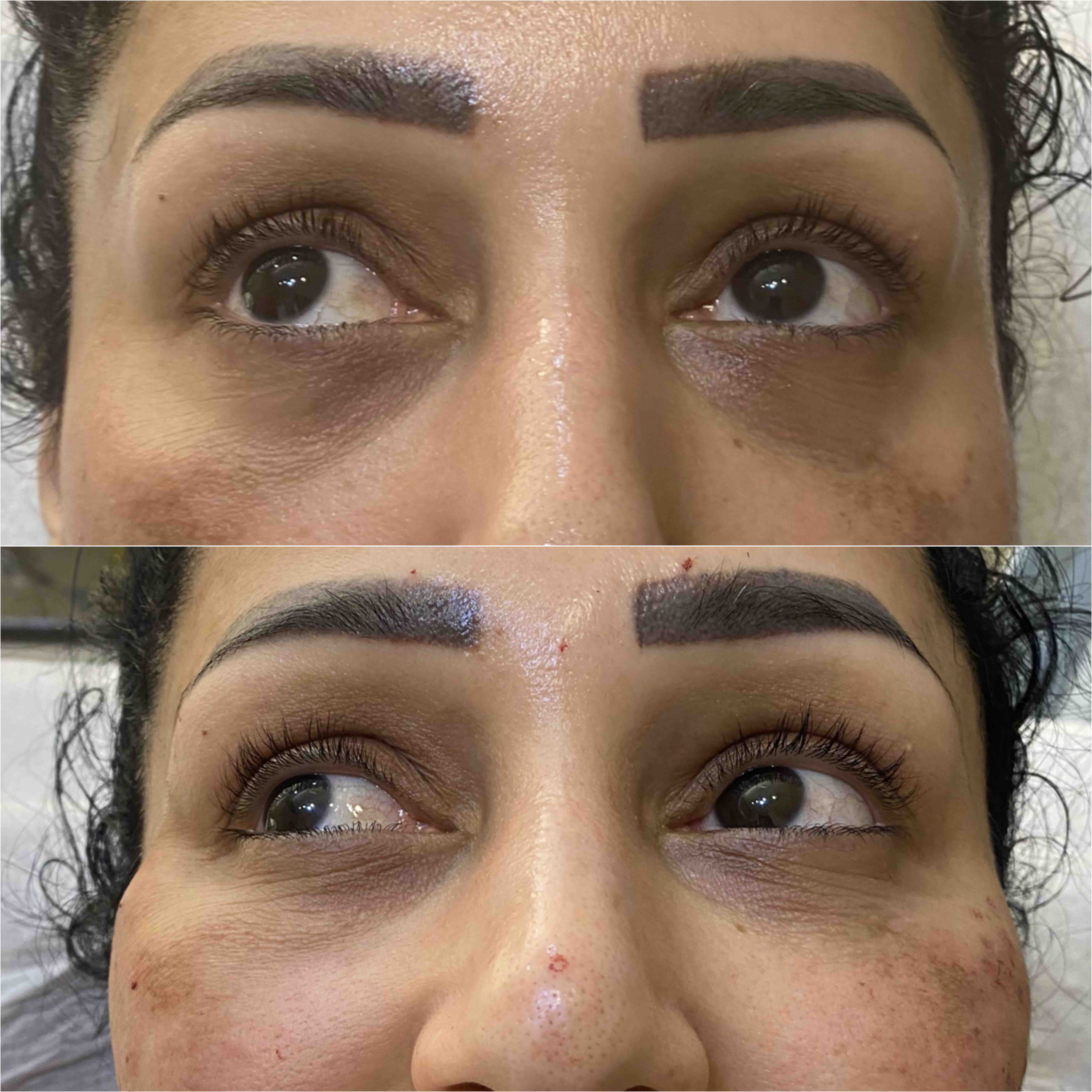
The eye area is one of the first places where subtle changes in volume, skin quality and facial structure become visible — but not every tired-looking eye needs filler.
Hollowing, pigmentation, puffiness, loose skin and old filler can look surprisingly similar from the outside while requiring completely different treatments.
My approach starts by identifying what is actually creating the problem. Where it adds useful information, I use high-frequency ultrasound to assess the tissue and any previous filler before deciding how — or whether — to treat it.

Sometimes the Best Eye Treatment Is No Filler
Tear-trough filler can be beautiful in the right patient. It can also be the wrong treatment.
If the main problem is prominent eye bags, malar oedema, significant skin laxity, pigmentation, or filler that is already there, adding more volume may not improve the appearance — and in some cases makes it worse.
Part of my assessment is deciding not only where to inject, but whether an injection should be done at all.
Define, Enhance, and Rejuvenate Your Eyes with Expert Care!
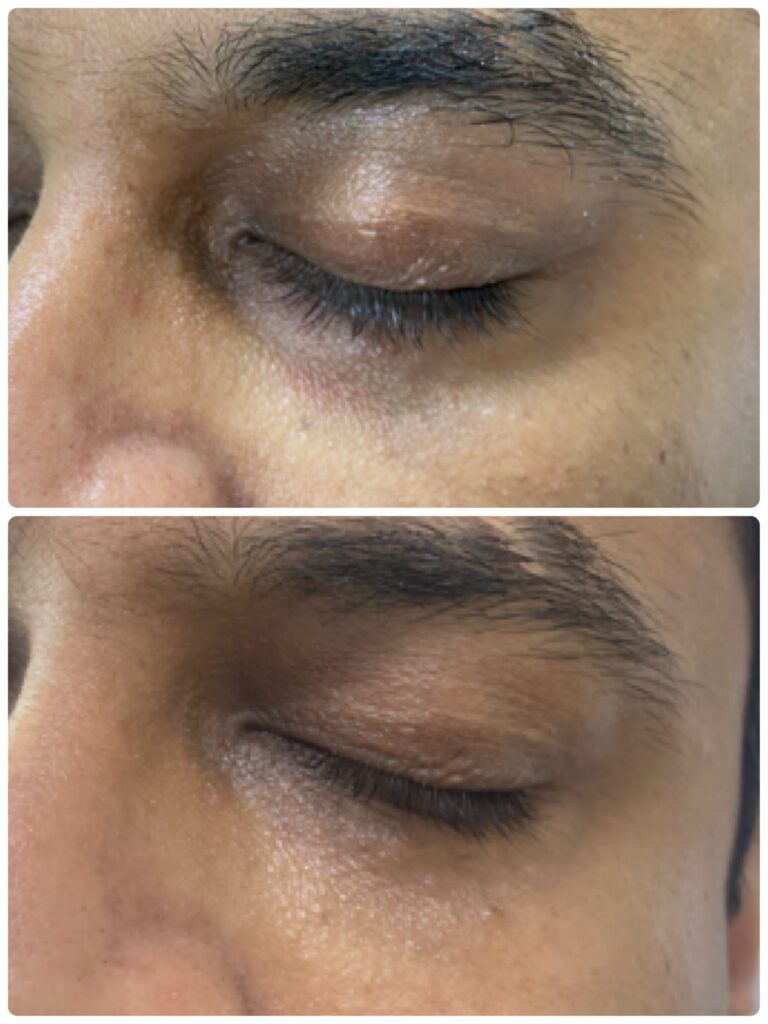
What Is Making Your Eyes Look Tired?
01
Tear Trough Hollowing
Loss of volume or structural support can create a shadow between the lower eyelid and cheek. This is the pattern that responds best to tear trough filler — and it is less common than the internet suggests.
02
Dark Circles
Darkness may come from shadowing, pigmentation, visible vessels beneath thin skin — or a combination of all three. Filler does not treat every dark circle, and treating pigment as if it were a hollow is one of the most common reasons results disappoint.
03
Puffiness & Eye Bags
Prominent fat pads or fluid retention are different from volume loss. Adding filler to the wrong patient can make the area look heavier.
04
Malar Oedema / Festoons
Swelling over the upper cheek requires particular caution. This is one of the situations where I may decide not to inject filler at all.
05
Upper-Eyelid & Brow Hollowing
Lorem ipsum dolor sit amet, consectetur adipiscing elit. Ut elit tellus, luctus nec ullamcorper mattis, pulvinar dapibus leo.
Age-related changes in orbital volume and surrounding fat can make the eye appear deeper-set. Treatment needs to respect the very delicate anatomy of this area.
How I Treat the Eye Area
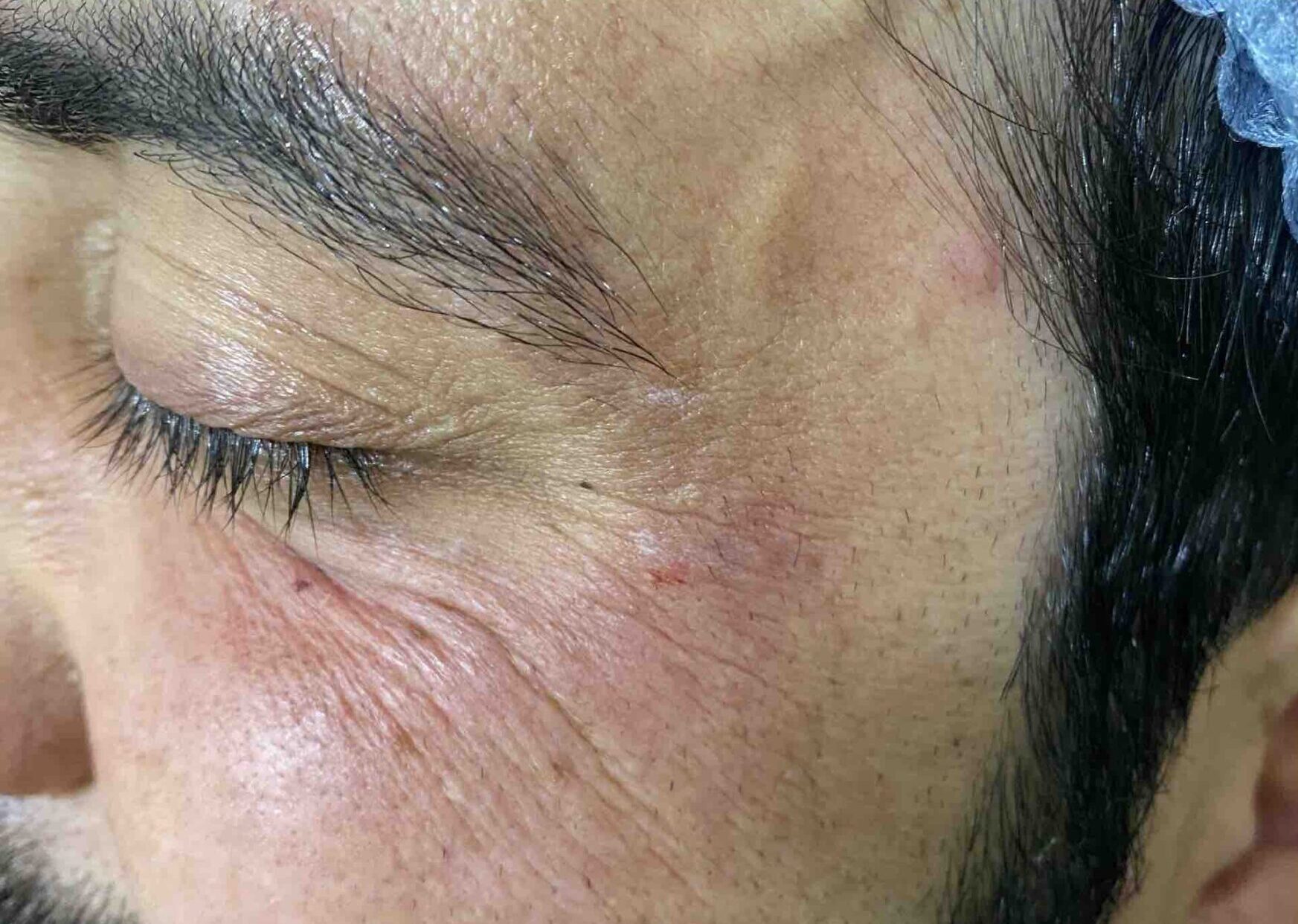
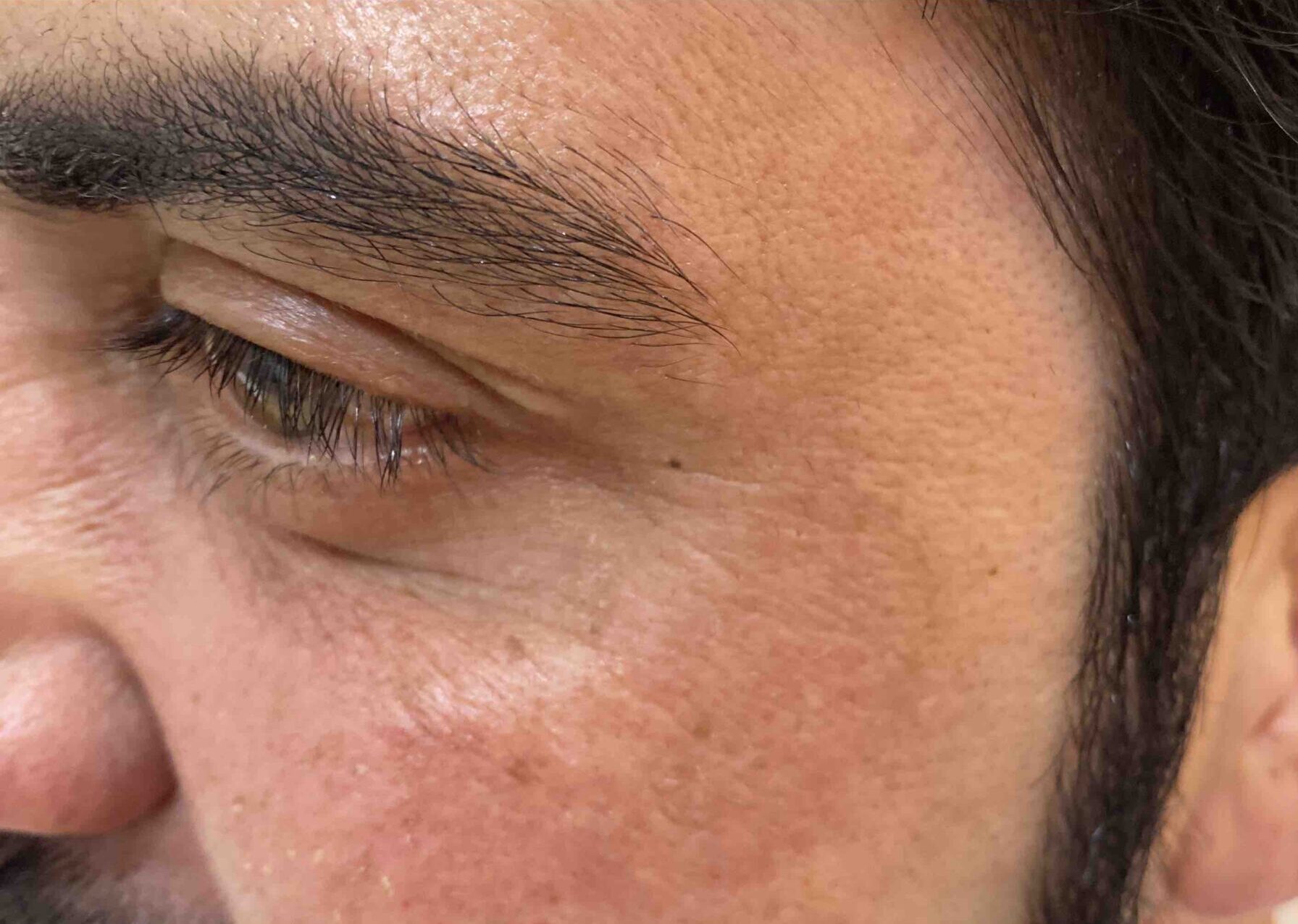
Once the cause is clear, the treatment follows from it. Sometimes that is filler. Often it is not.
01 Ultrasound assessment
High-frequency ultrasound lets me look at what is actually sitting in the tissue before anything is injected. It is most useful when there is previous tear-trough filler, unexplained puffiness, migration, palpable lumps, or uncertainty about what was placed and where. Ultrasound adds anatomical information — it does not make injection risk-free, and it does not replace clinical judgement.
02 Tear trough filler (hyaluronic acid)
For selected patients with true hollowing. Conservative volumes, product chosen for the tissue, and always assessed in the context of the whole midface rather than the hollow in isolation. Previous filler, fluid retention and the tendency of this area to hold swelling all influence whether I treat it — and how much.
03 Hyaluronidase, when old filler is the problem
Some under-eyes do not need more volume; they need less. Filler placed too superficially, too generously, or in the wrong plane can persist for years, hold fluid, and create the exact puffiness the patient is trying to fix. In those cases the correct eye treatment is dissolving what is already there — assessed first, then removed carefully and in stages, with the understanding that hyaluronidase carries its own considerations and is not a cosmetic reset button.
04 Endolaser for lower-eyelid fat pads
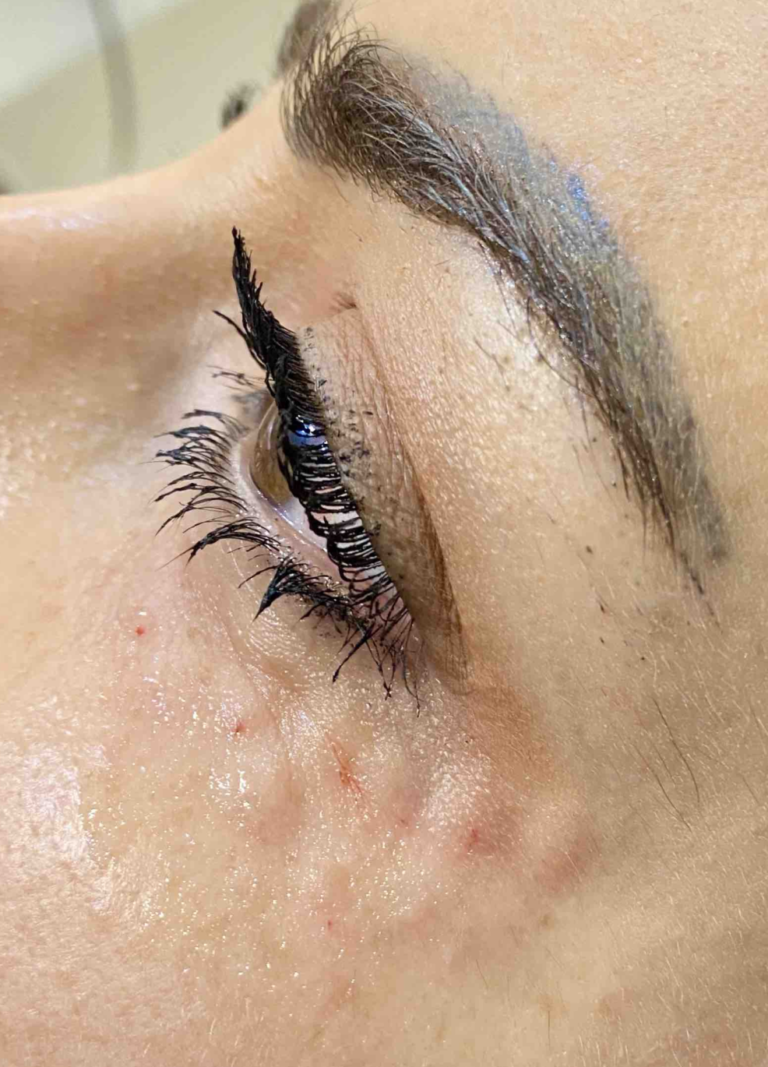
When the problem is the fat pad rather than a hollow, adding filler around it does not solve it. In selected patients I treat the lower eyelid with an endolaser — a fibre finer than a hypodermic needle, passed through a single entry point rather than an incision, delivering energy directly to reduce the prominence of the fat pad and tighten the overlying skin. No stitches, and most patients are socially presentable within about five days, with bruising and swelling in that period. It is not a replacement for blepharoplasty in every case: significant fat herniation, marked skin excess or lid laxity may still be better served surgically, and I will say so.
05 Energy-based tightening
For selected periocular laxity where skin and tissue quality, rather than volume, is the dominant issue. Suitability depends on the tissue and on how close to the eye the problem sits.
06 Skin-quality treatments
Depending on the finding: microneedling, skin boosters and regenerative approaches for texture, fine lines and skin thickness around the eye. These improve the quality of the skin. They are not a substitute for structural correction, and I keep the two separate rather than promising one will do the other’s job.
07 Volume replacement in selected cases
Where genuine volume deficiency is the problem and filler is not the right answer, other volume-restoring options may be discussed at consultation. Whether they are appropriate around the eye depends entirely on the individual assessment.
What an Eye Assessment Involves
01 — History and examination What you notice, when you notice it, what has been done before, and what is happening with fluid, sleep, allergies and skin.
02 — Imaging where it adds information High-frequency ultrasound when there is previous filler, unexplained swelling, or uncertainty about what is in the tissue.
03 — A plan, not a sale An explanation of what is causing the appearance, what can realistically be changed, what should be left alone, and in what order. That plan sometimes concludes that no injectable treatment is appropriate.
We’ve Got You Covered!
Curious? Start Here
From treatment details to aftercare advice, explore our FAQs for quick and reliable answers to your most common questions.
No. Dark circles can come from shadowing caused by hollowing, from pigmentation in the skin, or from vessels visible through thin lower-eyelid skin. Only the first of these responds to filler. Treating the other two with volume tends to produce a heavier, not brighter, result.
Hyaluronic acid filler in the under-eye area commonly lasts longer than in more mobile parts of the face, and in some patients remains detectable for years. This is one reason conservative volumes matter, and why previous under-eye filler should be assessed before anything new is added.
Yes — hyaluronic acid filler can be dissolved with hyaluronidase. It is a considered medical treatment rather than a simple undo, so it is assessed first, discussed properly, and often done in stages.
High-frequency ultrasound allows the layers of the lower eyelid and cheek, and any filler already present, to be seen before treatment is planned. It is particularly useful in patients with previous filler, lumps, migration or persistent puffiness. It adds information; it does not eliminate risk.
Filler placed too superficially or too generously in the under-eye can hold fluid and create persistent puffiness that patients often mistake for eye bags or ageing. Assessment — including imaging where appropriate — is what distinguishes this from a true fat-pad or fluid problem.
In selected patients, yes. Where the prominence comes from a lower-eyelid fat pad, an endolaser can be used to reduce it through a single entry point rather than an incision — no stitches, and typically around five days before most patients are comfortable being seen. It is not right for everyone: significant fat herniation or marked skin excess may still be better treated surgically, and fluid retention, pigmentation and shadowing are different problems again. Deciding which of these you have is the point of the assessment. |
Bruising and swelling are expected, and most patients are socially presentable at around five days. There is no incision and no stitches — the fibre passes through a single entry point — but it is a medical treatment with a recovery period, not a lunchtime procedure, and individual recovery varies.
Dr Shiva Faramarzi Babadi, MDAesthetic & Longevity Physician · DHA licence 43705219 Apogée Clinic, Address Beach Resort, JBR, Dubai WhatsApp or call: +971 52 328 6185 Last medically reviewed: August 2026 This page is general medical education and does not replace individual assessment. Treatment suitability, expected outcomes and regulatory status vary by patient and by therapy. |
What our patients think about us?